
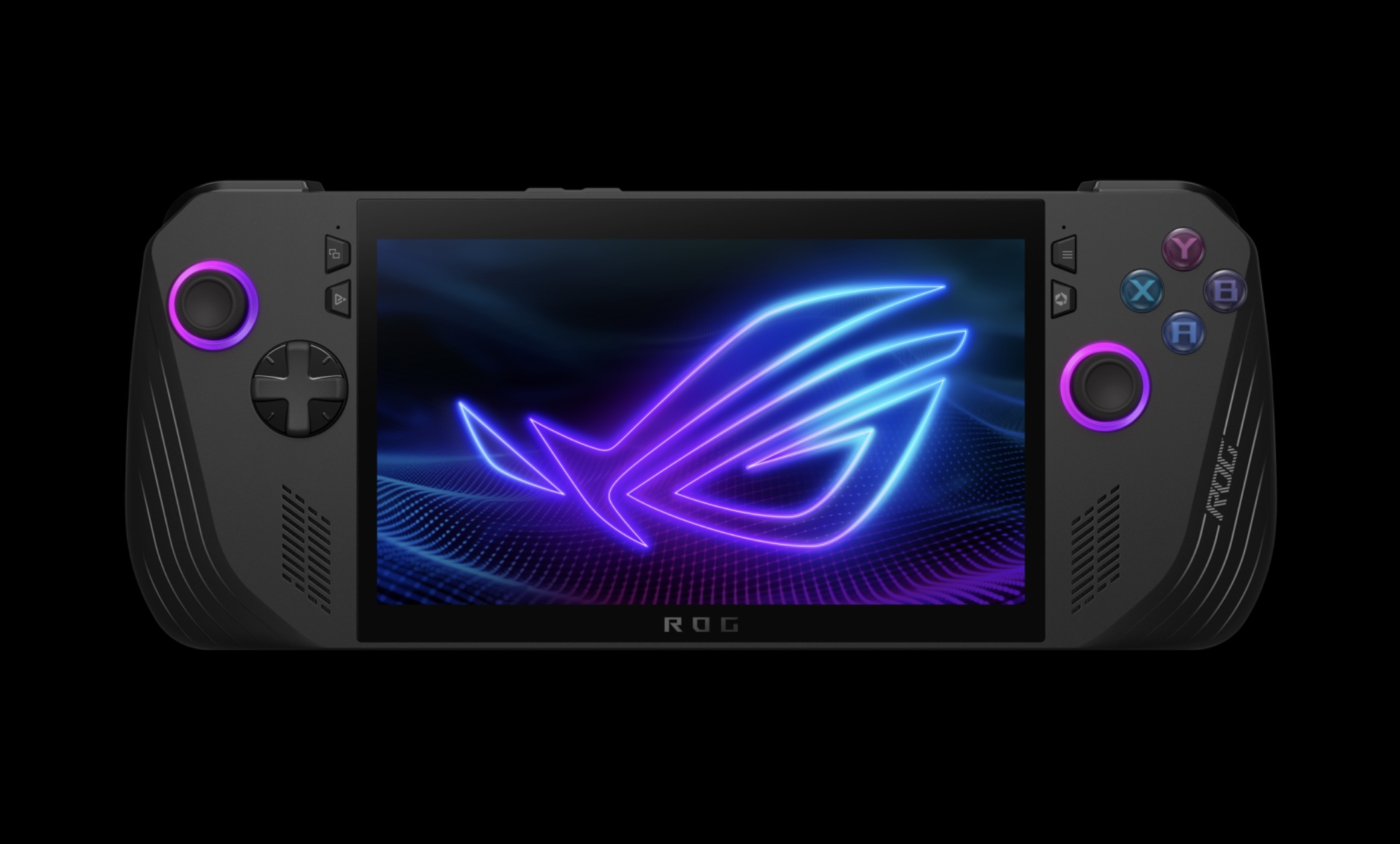
I’ve had the ROG Ally X with me for a little over a month.
For a while, it just existed around the house. I’d pick it up occasionally, play something light, put it down again. Nothing about that phase felt remarkable. I liked it, but I didn’t think about it much, which, in hindsight, should have told me something.
Most devices make an impression immediately. The ROG Ally X wasn’t such a device for me. And that’s partly why it took time to understand what it was actually good at.
I don’t look at devices as isolated products anymore. At this point in my life, tech either fits into my routine or it slowly fades away, regardless of how powerful or impressive it looks on paper. The Ally X didn’t try to force itself into my life. It waited.
Settling In
The first few days were exactly what you’d expect from a Windows-based handheld. Updates, firmware, app installs, configuration. ASUS is clearly pushing a console-like layer on top, and while the Xbox app still feels unfinished in places, it works well enough to get out of the way.
Once setup was done, I installed the games I was already playing – Elden Ring, Cyberpunk 2077 and TopSpin 2K25. Another game I installed was Hollow Knight: Silksong through Xbox Cloud, which is being used to promote the device. Silksong clicked immediately. That kind of game suits a handheld naturally, and it became part of my night routine without any effort.
At that stage, though, the Ally X still felt like a side device. Something I enjoyed, but not something I took seriously. My main games still lived on my desktop, and I didn’t expect that to change.
It did. Just not at home.
The Trip That Changed My Opinion
I had to travel for a few days. I carried my laptop with me, an M1 MacBook Pro 16, which meant no desktop gaming and no real fallback. One night, out of boredom more than intention, I fired up Elden Ring on the Ally X. Keep note that I’ve been currently playing Elden Ring, and am heavily invested in its lore.
On the ROG Ally X, I expected a short session.
Instead, I ended up playing for nearly two hours, without even realising that two hours had passed.
In that time, I beat a major boss and opened up a new area. More importantly, I stayed locked in the entire time. I wasn’t fighting the controls. I wasn’t distracted by performance. I wasn’t constantly aware that I was playing on a handheld. I was deeply lost in the lore, the atmosphere, the game.
Only after I stopped did it register that I’d just spent a solid chunk of focused time with Elden Ring on a device I’d mentally categorised as “secondary.”
I had turned some settings down. Ray tracing was low, visuals were high, frame rate hovered around 60. For a few minutes, I noticed the difference. After that, I stopped caring. Once a game pulls you in properly, numbers stop being the main thing.
That was the moment the Ally X finally made sense to me.
What Changed After I Got Back
Back home, I noticed a shift in my habits.
I started picking up the Ally X more often than I sat down at my PC. Not because it was better, but because it was easier. Desktop gaming demands a certain mindset. You sit down with intent. You commit time. That’s not always what you want at the end of a long day.
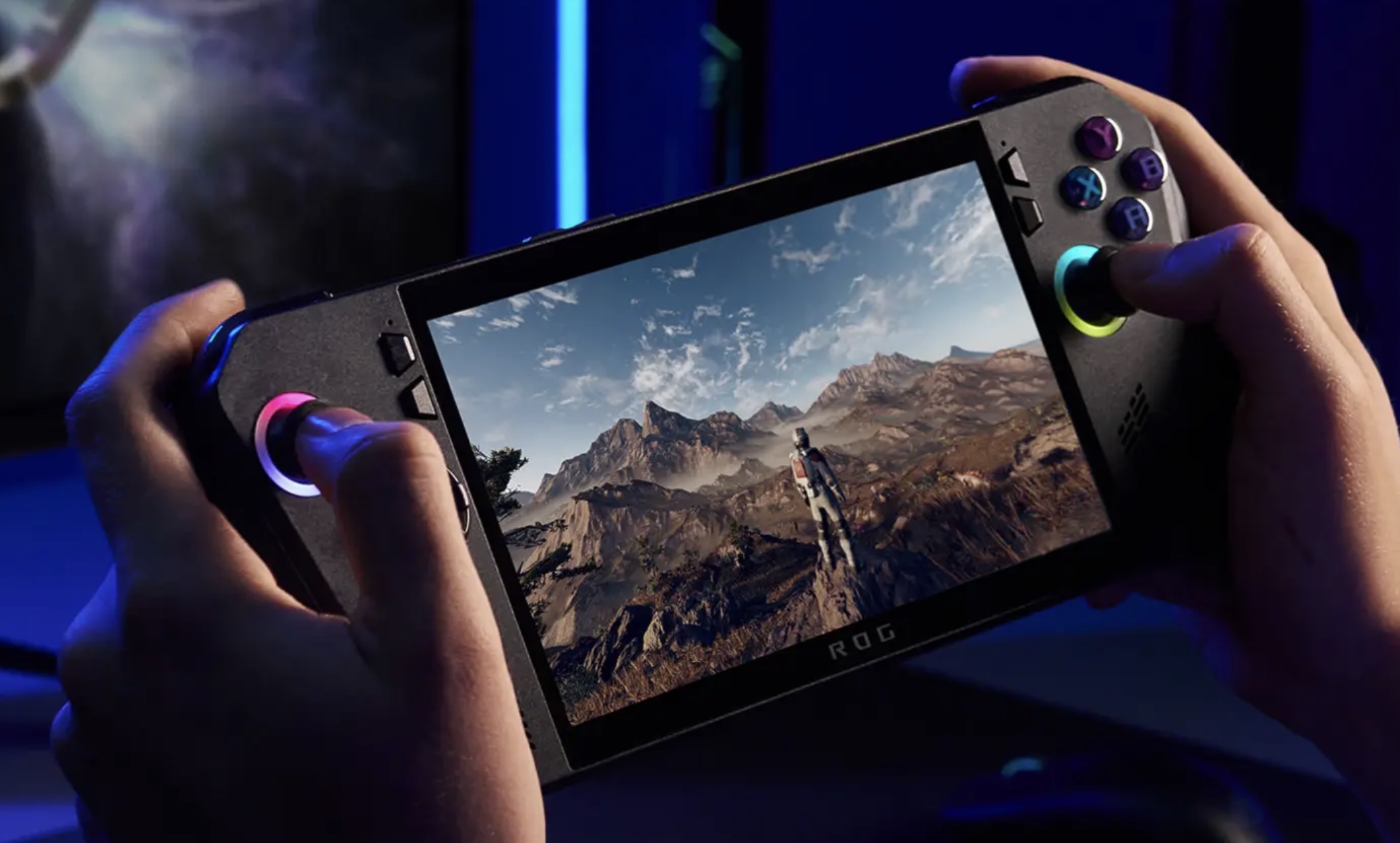
The Ally X removed that barrier.
I could play from anywhere. I could stop without feeling like I was cutting a session short. Gaming started slipping back into parts of my day where it normally wouldn’t exist.
That’s rare.
Most devices try to replace something. The ROG Ally X quietly filled gaps I didn’t realise were there.
The Stuff That Faded Into the Background
Over time, I stopped thinking about the usual concerns.
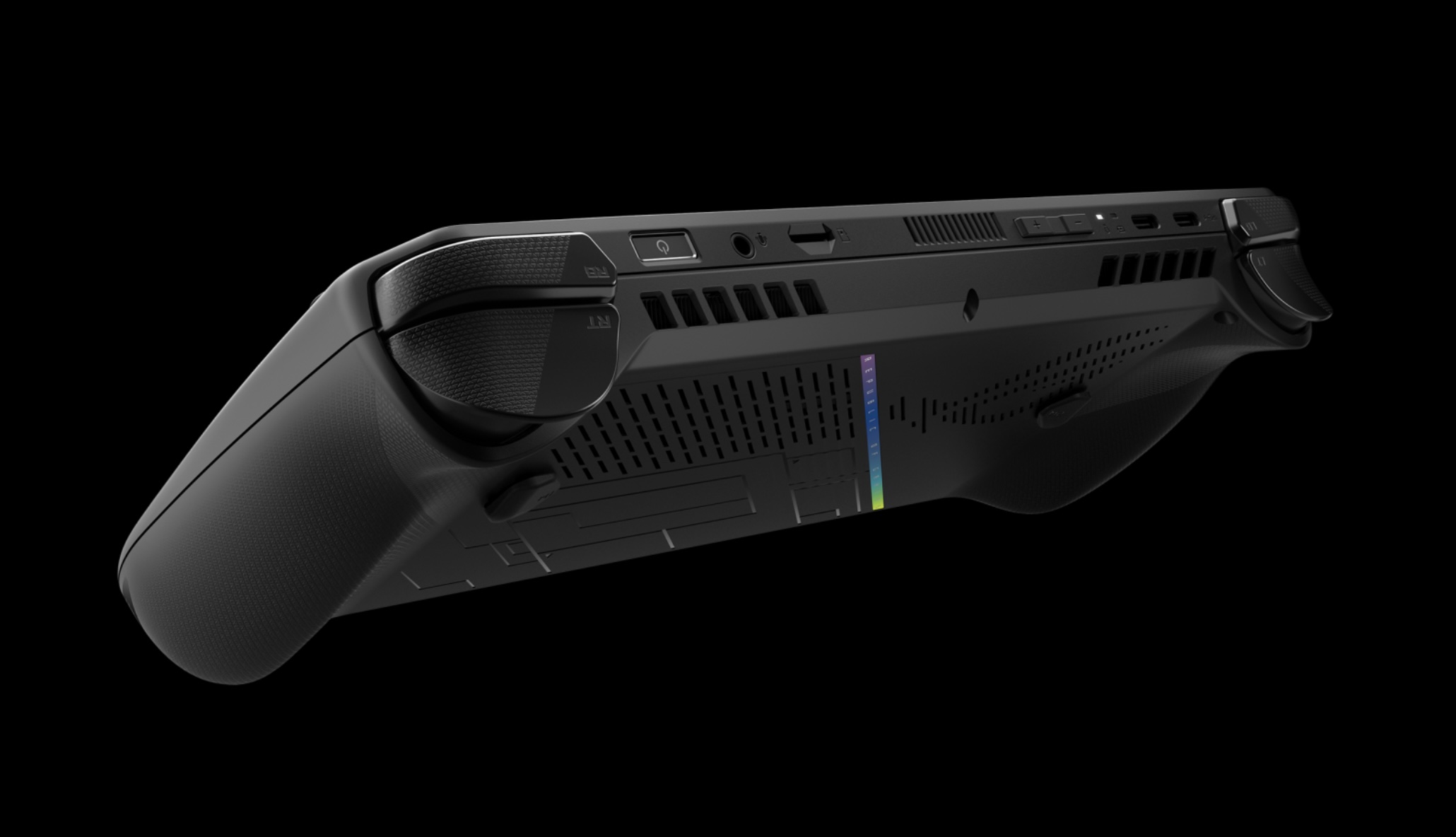
Battery life stopped being something I checked constantly. Thermals were noticeable only if I went looking for them. The fans pushed out warm air, but never in a way that pulled me out of a game. The speakers were good enough that I didn’t feel the need to reach for headphones every time.
If you approach gaming with the mindset that everything needs to run at maximum settings, you’re going to be unhappy most of the time. Some of the best gaming experiences I’ve had were on underpowered systems, where engagement mattered more than fidelity.
The controls feel solid. The rear buttons are genuinely useful. Storage expansion and external drives worked without drama. I installed games directly from backups more than once, and it never felt like a workaround.
The software still has rough edges. The Xbox app needs polish, and Armoury Crate mostly stays ignored. These are annoyances, not dealbreakers, and they feel solvable.
Where the ROG Ally X Fits
If you approach gaming with the mindset that everything needs to run at maximum settings, you’re going to be unhappy most of the time. Some of the best gaming experiences I’ve had were on underpowered systems, where engagement mattered more than fidelity.
The ROG Ally X leans into that reality. It doesn’t try to replace a high-end PC. It doesn’t compete with one. What it does well is make gaming feel available again, without preparation, without friction, without the sense that you need to block out time just to enjoy it.
I still love my desktop. That hasn’t changed.
What changed is how often I actually get around to playing the games I care about.
And for a device like this, that’s the part that matters.