
A Shift Unlike Anything Gaming Has Seen Before
Gaming rarely experiences true revolutions. Most changes over the past two decades have been incremental: better graphics, higher frame rates, new consoles, new APIs, generational bumps in fidelity. But every once in a while, the ground shifts beneath the industry. The arrival of cloud gaming in India marks one of those rare moments.
For the first time since video games became mainstream entertainment, the idea of owning powerful hardware to play them is being fundamentally challenged. Historically, gaming has always required some form of machinery you controlled. If you wanted high performance, you built a high-performance PC. If you wanted console exclusives, you bought the console. If you wanted to hit 60 FPS, you tinkered with settings, managed thermals, updated drivers and prayed your hardware wouldn’t buckle under a new AAA title. Cloud gaming promises to make all of that optional.
This is not entirely surprising. Movies went through the same process. Once streaming became reliable, DVD rental shops became relics of history. Music followed the same arc; the moment Spotify and Apple Music arrived, physical music stores stood no chance. Gaming is now stepping into that same transformation, and the timing is significant because India is finally on the map for major cloud gaming providers.
Xbox Cloud Gaming: The First Major Step
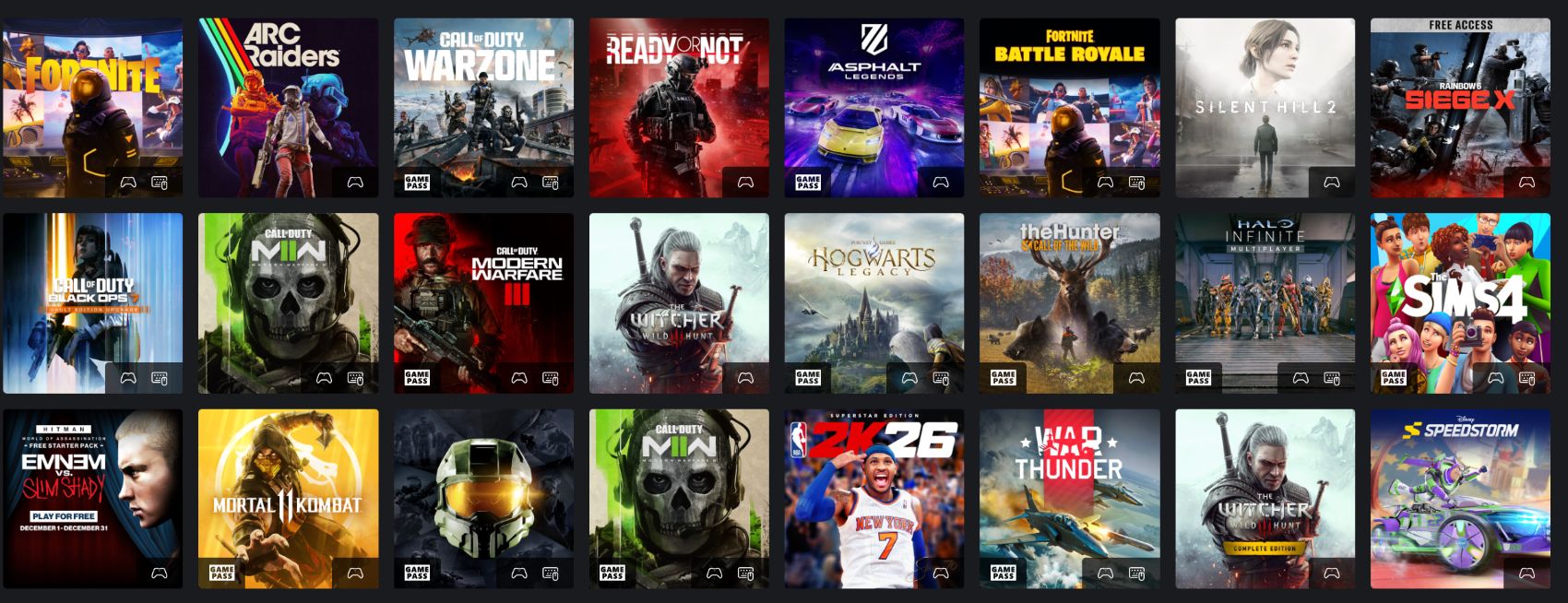
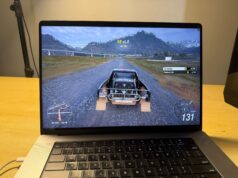
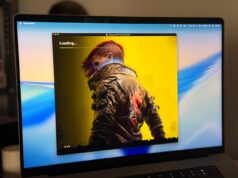
Xbox is the first mover. Xbox Cloud Gaming has launched in India with three subscription plans starting at ₹499 per month. The concept is simple: you choose a plan, access a curated library of games and stream them directly from Microsoft’s servers. The game doesn’t run on your phone, tablet, TV or PC. It runs on high-end hardware in a remote data centre, and your device only receives the video feed. Theoretically, this means that a low-end phone could play a next-generation title, as long as your internet is stable.
GeForce NOW: A Different Philosophy
GeForce NOW, which is scheduled to launch in India in Q1 2026, takes a different approach. Instead of giving you access to a fixed library, NVIDIA lets you stream the games you already own. If your Steam library is full, you don’t have to buy a single new title to use their service. You simply log in and run the game via NVIDIA’s servers. It’s a PC-first approach, closer to traditional gaming culture than the subscription model used by Xbox. NVIDIA is reportedly building local infrastructure with machines powered by RTX 5080-class GPUs, meaning the experience could be extremely competitive in performance once the service goes live.
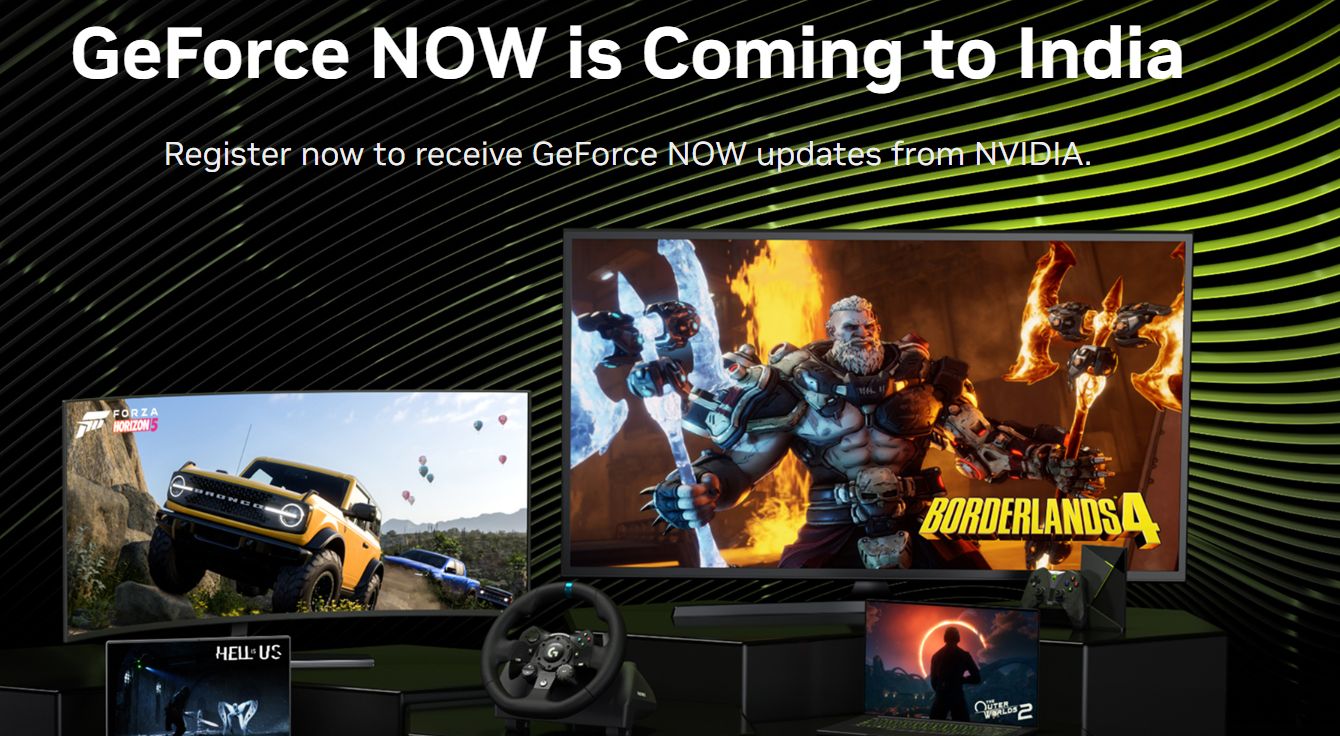
Whether Xbox’s curated-library model wins or NVIDIA’s bring-your-own-games model becomes dominant is impossible to predict today. What’s certain, however, is that India is stepping into an era where the average gamer no longer needs a powerful machine to play modern games. The transformation is underway, and both companies are betting on the country’s fast-growing internet connectivity and large gaming population.
The Gap Between Theory and Reality
In principle, cloud gaming makes sense. The idea of instantly playing a game without worrying about storage space, hardware limitations or compatibility issues is appealing. A single subscription could replace the need to buy a console. A single login could grant access to a library of games from virtually any device. For newcomers and casual players, this is incredibly convenient.
The reality, however, still has several limitations. Cloud gaming is not yet capable of matching the experience of playing games locally on your own hardware. Microsoft itself recommends at least a 10 Mbps connection for mobile devices and 20 Mbps for PCs, tablets and consoles to achieve “optimal performance.” Even with this bandwidth, the stream is compressed. You do not get the same resolution or clarity that your local device can render. Latency remains noticeable, especially in fast-paced games where reaction time is crucial. Every button press travels to a server and returns as a frame of video, and while technology is improving, it is still perceptible.
Audio fidelity takes a hit as well because the audio is compressed along with the video. Saves are stored in the cloud, which means you rely entirely on the service’s stability. In-game purchases may not work in the same way they do on local hardware. Mods, community content, custom shaders and other user-generated enhancements are mostly restricted or unavailable. Peripheral support is limited compared to a traditional PC or console. The experience, while impressive from a technological standpoint, is still a compromise.
Ownership Is Slowly Disappearing
This shift also reflects a much broader trend in modern digital life. We are increasingly living in a world where we own less and rent more. Our movies are streams. Our music is streamed. Our software is subscription-based. Even cars are beginning to lock features behind subscriptions. Netflix’s Black Mirror predicted this all along. Cloud gaming pushes video games into that same category. It moves ownership away from individuals and into the hands of corporations that control the servers, the licensing and the long-term access. As convenient as these services are, they undeniably reduce personal autonomy. When the hardware, the software and even your save data are all managed by a remote provider, your relationship with gaming changes.
Why Your Own Setup Still Matters
This is why owning your own gaming setup still matters. A personal PC or console gives you complete independence over how you play. When you own your hardware, the game runs natively. Your GPU renders every frame locally, without compression, without network dependency and without external control. Latency is as low as your device can physically support. You choose which storefronts to buy from, which mods to install, which peripherals to connect and which technologies to enable or disable.
A PC can be upgraded when you decide, not when a data centre is refreshed. A personal library of games remains with you for decades, unaffected by corporate licensing deals or catalog rotations. For many gamers, especially those who enjoy tweaking performance, exploring modded content, experimenting with settings or simply building a system that reflects their personality, a local setup delivers a sense of ownership and identity that cloud platforms cannot replicate.
Cloud gaming does not replace traditional hardware. It sits alongside it. It offers accessibility, convenience and a future where barriers to entry are dramatically lower. But it does not yet replicate the richness, responsiveness or creative freedom of a system you own. As cloud gaming grows, both experiences will continue to coexist, each appealing to different types of players.
This moment represents the beginning of a new era. Whether cloud services eventually become the dominant way to play games or remain a parallel option depends on infrastructure, pricing, licensing and the willingness of gamers to give up control in exchange for convenience. What is undeniable is that India is now part of this global transition, and the industry is watching closely. The future of gaming is shifting, and the next few years will determine how far this revolution goes.