
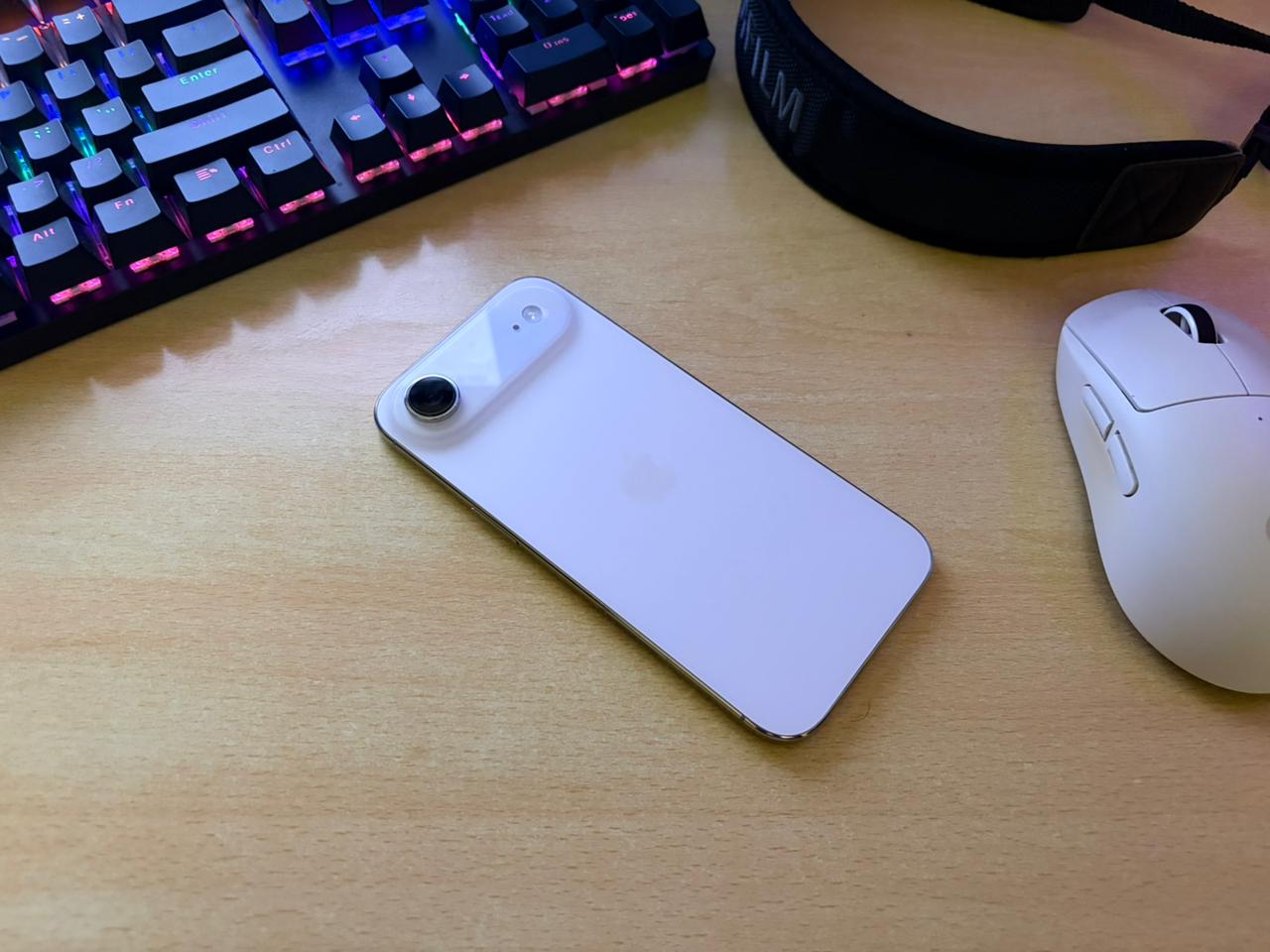
After spending time with the iPhone Air, I’ve come to a firm conclusion: the professional tech reviewers completely missed the point. They approached this device with a checklist mentality, comparing it to the Pro Max models, and in doing so, they failed to appreciate what makes the Air truly great for the average person — which is me.
My experience with the Air has been overwhelmingly positive, and it’s highlighted just how out of touch many reviewers are with how people actually use their phones.
I Finally Understood the Value of Thinness
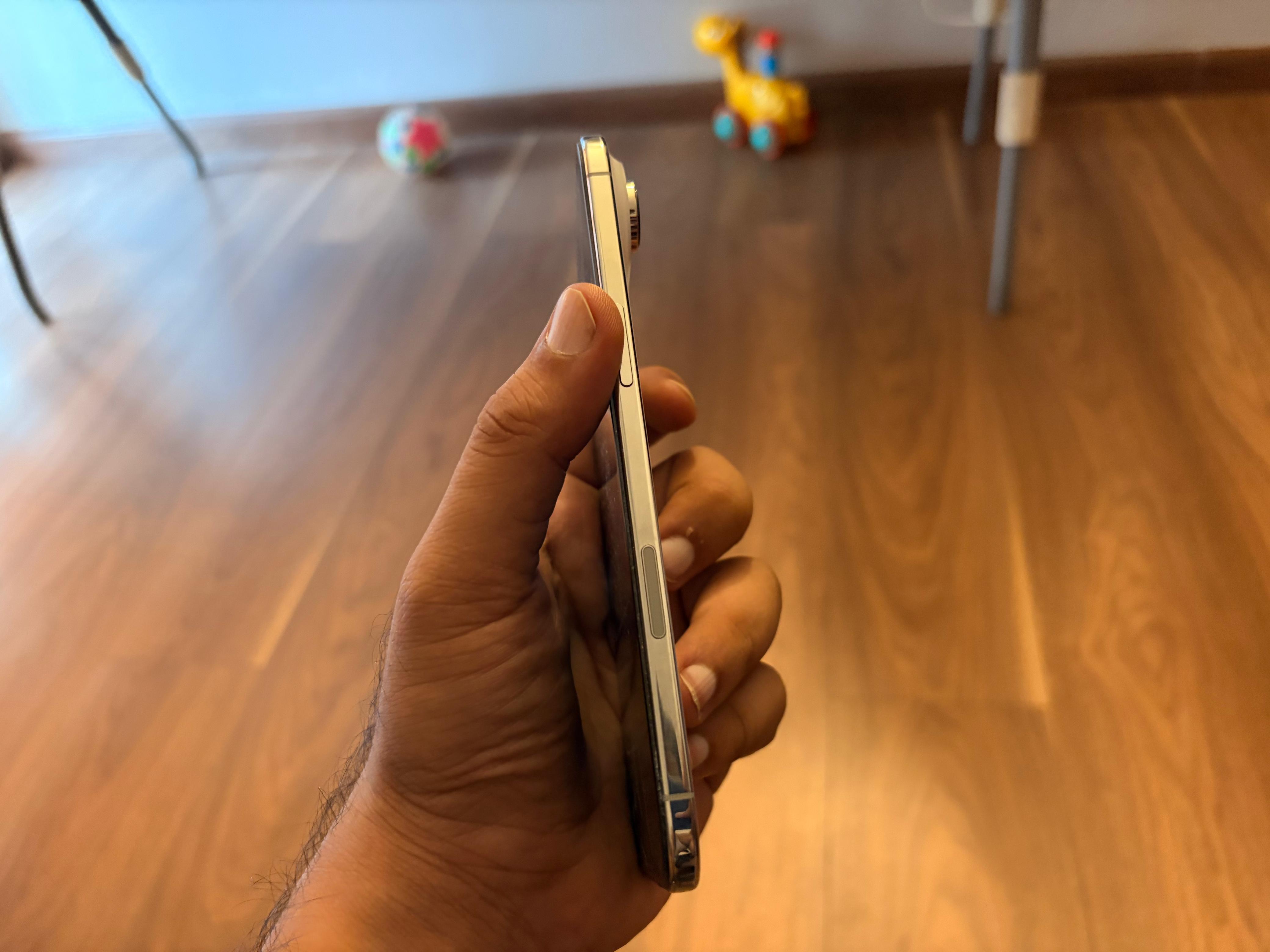
I finally understand the value of thinness. For years, I carried a Pro model, and I genuinely didn’t realize how much the size and weight were affecting my daily comfort until I switched to the Air. Reviewers may call the design “compromised,” but I call it a revelation. The difference in size and weight is so significant that it’s the first thing I notice every morning.
When I hold the Air, I’m holding a device built for comfort and efficiency, not just a vessel for a giant battery and an unnecessary number of sensors.
My hands — especially my pinky finger that used to brace the bottom edge — feel such relief. The ergonomics are what count, and the Air feels like a paperweight in the best possible way. To me, this thin, lightweight design is the premium feature. It feels “futuristic” and beautiful. When I hold the Air, I’m holding a device built for comfort and efficiency, not just a vessel for a giant battery and an unnecessary number of sensors.
The Battery Life is More Than Adequate
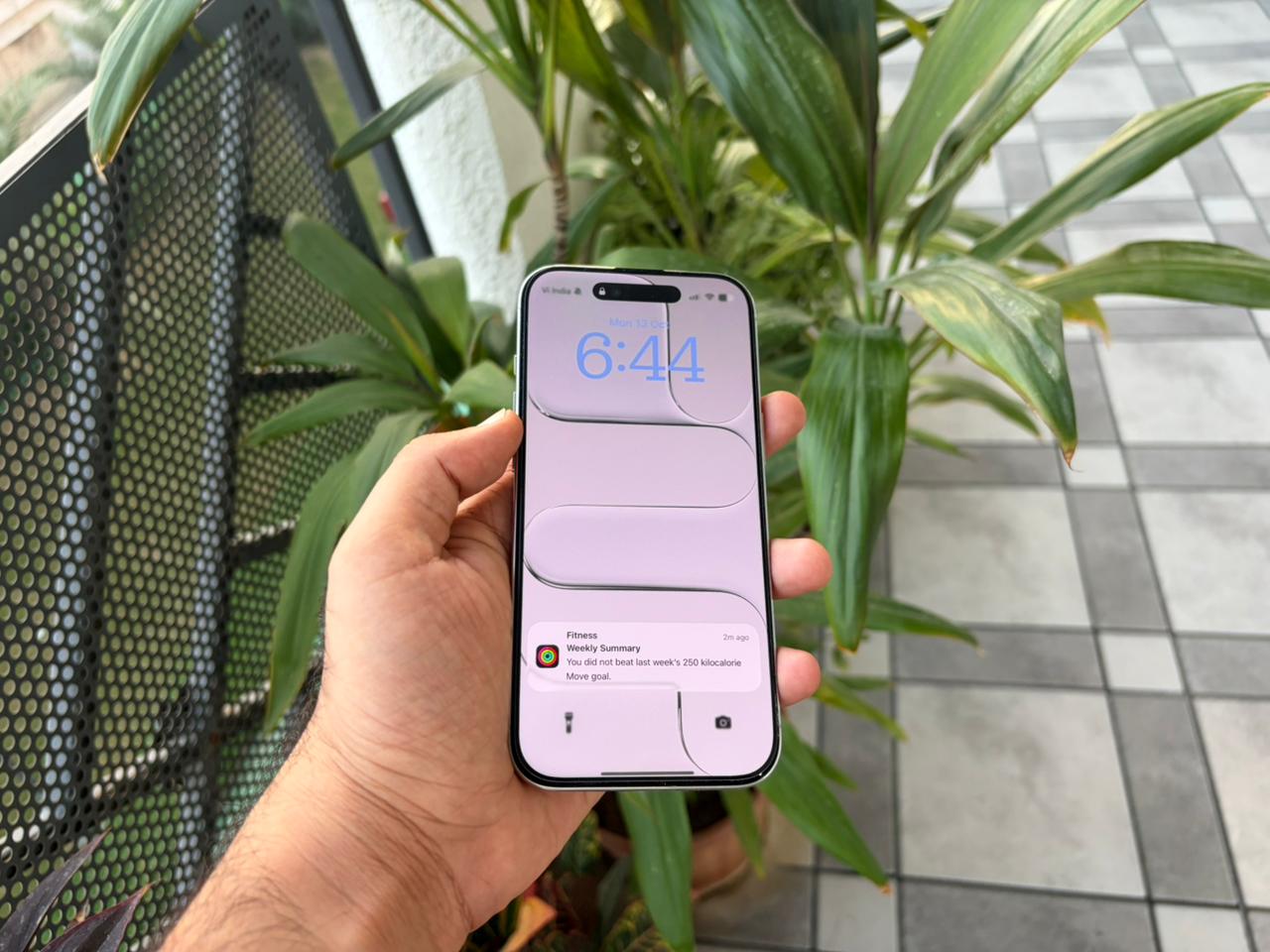
The battery life was the single biggest concern I had, based on all the early reviews. But after using the iPhone Air daily, I can tell you the fear-mongering was completely unwarranted.
I use my phone for 4–5 hours of screen time — social media, email, music streaming. For my usage pattern, the battery is perfectly fine and lasts exactly as long as my old phone (iPhone 15 Pro) did. I don’t need it to survive 12 straight hours of benchmark testing.
Reviewers are testing the phone against their own extreme workflows: hours of 4K video editing, heavy mobile gaming, or shooting ProRes footage for their next “cinematic” short film. I’m not them. I’m a consumer. The fact that the Air achieves this level of performance and efficiency in such a thin chassis is an engineering success, not a flaw.
I use my phone for 4–5 hours of screen time — social media, email, music streaming. For my usage pattern, the battery is perfectly fine and lasts exactly as long as my old phone (iPhone 15 Pro) did. I don’t need it to survive 12 straight hours of benchmark testing.
The Camera Suits All My Needs
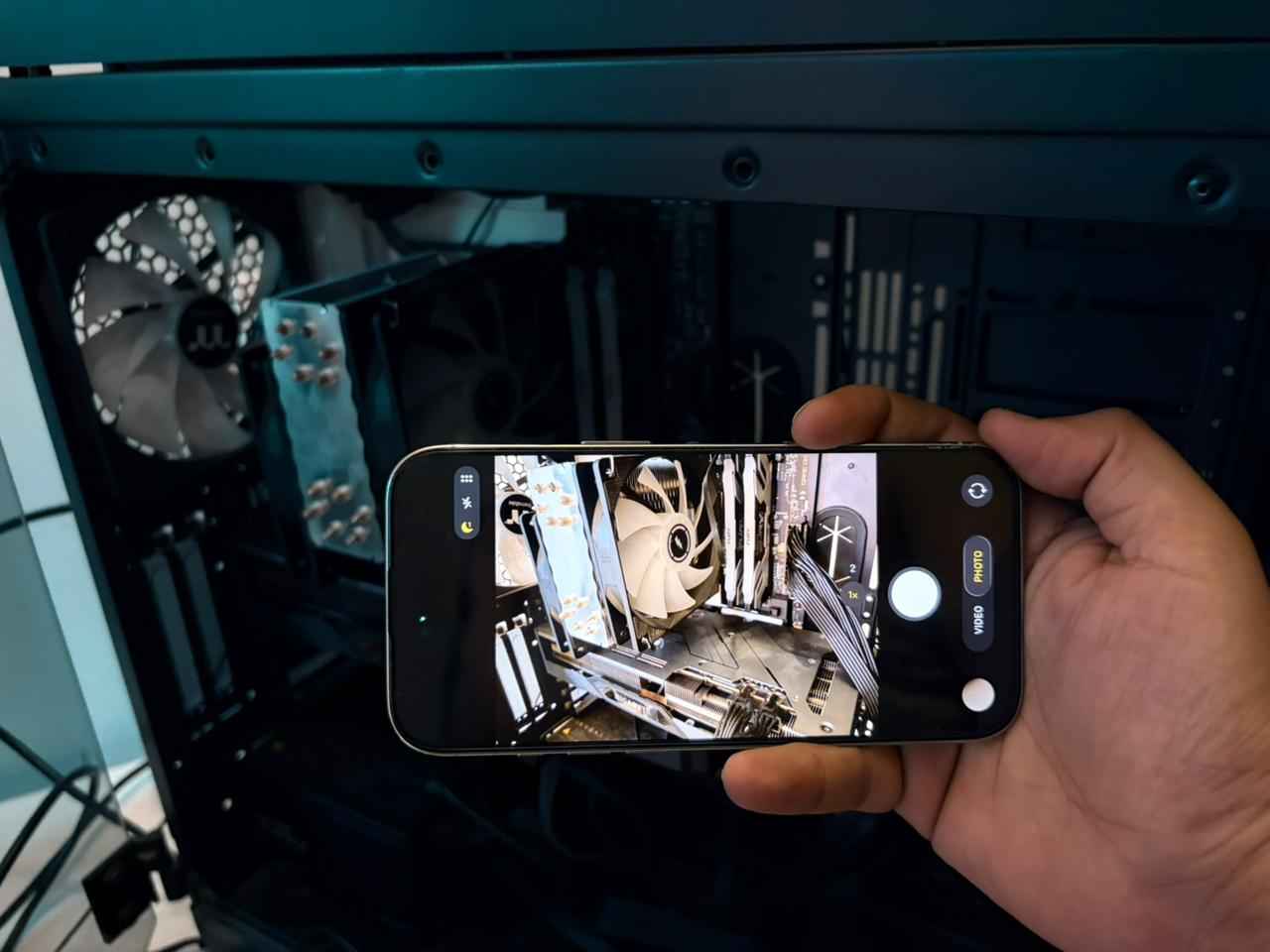
Finally, I simply don’t miss the features they obsess over. The reviewers kept harping on what the Air lacked, but honestly, I don’t miss a thing.
The Ultra-Wide Lens? I honestly forgot I even had one on my old phone. I couldn’t tell you the last time I used the 0.5x zoom on purpose. I’m not a professional landscape photographer; I just need a good standard camera, and the Air delivers that in spades.
The front camera — which is the same as the iPhone 17 and Pro — takes amazing pictures and shoots breathtaking videos. I use the Air to shoot YouTube vlogs, and the results are bleeding-edge in every way possible.
The Performance is Spectacular
iOS 26, with all its beautiful glass visual effects, honestly made my old iPhone 15 Pro feel like a micro-stutter machine. I know the software has since been optimized, but experiencing it on my iPhone Air has been a revelation — it’s as fluid as fluid can be.
Paired with this outstanding display and the great grippy feel, I genuinely don’t think I’ve ever enjoyed the overall iOS experience so much.
And to address the common complaint from reviewers: heating. To be perfectly honest, if you’re like me, the most performance-intensive thing you regularly do is a solid iMovie editing session. This can push the processor, but I’ve experienced no such thing as heating or thermal throttling on the Air.
I’d even say I’m an enthusiastic mobile gamer. The Air handles my favorites — Hades, Tennis Clash, and Mighty DOOM — exceptionally well. These aren’t basic titles, and yet the iPhone Air runs them at maxed-out settings, despite having the binned A19 Pro. Remember, this is still a powerful Pro processor! I’ve never had a frame drop, or even felt a heat-up, for that matter.
Ultimately, the idea that a phone must be able to run console-level games at max settings to be considered “good” is ridiculous — if I wanted a dedicated handheld, I’d buy one.
I’d even say I’m an enthusiastic mobile gamer. The Air handles my favorites — Hades, Tennis Clash, and Mighty DOOM — exceptionally well.
Titanium, Baby. Titanium!
The reason this thin design is even possible is something reviewers barely touched on: the material. The iPhone Air is now the sole iPhone to use a titanium frame, differentiating it completely from the aluminum-framed models.
Titanium offers superior strength and rigidity for its weight compared to aluminum. For a device this incredibly thin, that strength-to-weight ratio is crucial — it’s what prevents the phone from bending and gives it that incredibly solid, premium “cold touch” feel while still being exceptionally light.
It’s truly a material choice driven by engineering necessity to achieve this breakthrough design.
My toddler dropped the iPhone Air from my apartment’s balcony located on the third floor. The Air did not budge — not a single dent or scratch. Meanwhile, while getting out of my car, my iPhone 17 Pro slipped out of my pocket and that was enough to shatter its screen. What does that say about the iPhone Air? It’s rock solid durable.
The iPhone Air is now the sole iPhone to use a titanium frame, differentiating it completely from the aluminum-framed models.
The iPhone Air is the Real Luxury iPhone
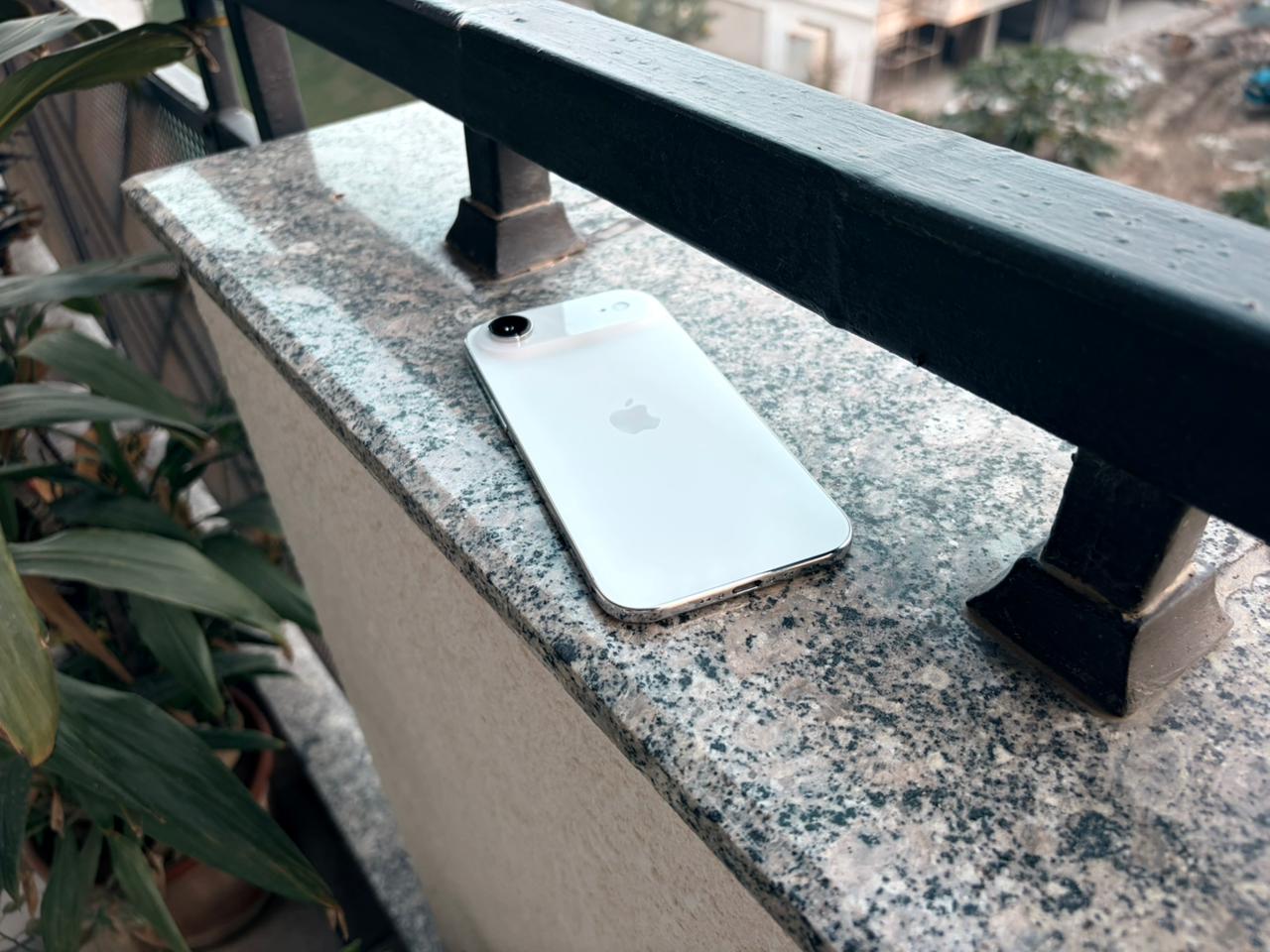
There’s a funny irony in Apple’s lineup this year — the iPhone 17 Air is, in many ways, the true luxury iPhone. Not the Pro Max, not the base 17 — the Air.
Here’s why: it’s expensive, yes, but not in the utilitarian “you’re paying for extra features” way. The Air doesn’t pretend to be a performance machine or a creator’s tool. It’s a device designed purely for comfort, refinement, and elegance. It’s for someone who doesn’t need to justify their purchase with specs — someone who buys it because it feels right.
The Pro is functional luxury — it’s heavy, spec-driven, and unapologetically serious. The base iPhone is accessible luxury — great value, built to serve the masses. But the Air? The Air is aesthetic luxury. It’s built from titanium — not aluminum like the 17, and not coated with a brushed finish that hides fingerprints like the Pro. The Air’s titanium is raw, exposed, and engineered to be seen and felt. Every curve, every edge screams craftsmanship and restraint.
The more I use it, the more I realize the Air is Apple’s quiet flex. It’s not shouting power; it’s whispering taste. It’s the kind of phone someone with a well-tailored linen shirt and an understated watch would carry — not because they need it, but because they appreciate it.
The Air doesn’t pretend to be a performance machine or a creator’s tool. It’s a device designed purely for comfort, refinement, and elegance. It’s for someone who doesn’t need to justify their purchase with specs — someone who buys it because it feels right.
So when reviewers complain that it “doesn’t make sense,” they’re actually right — it doesn’t, at least not in a spreadsheet. The iPhone Air makes sense in the hand, in the pocket, in daily life. That’s where its luxury truly lies.
Final Thoughts
The truth is, I wanted a comfortable, beautiful device that works reliably. The iPhone Air is exactly that. The reviewers got it wrong because they treated it like a stripped-down Pro model, when it’s really the perfect phone for the average user who prioritizes comfort and core functionality over a long list of specs they’ll never use.
The iPhone 17 Air isn’t trying to be the most powerful, the most feature-packed, or the best deal. It’s trying to be the most refined. And in that, it absolutely succeeds.