
2025 is shaping up to be a strange year for smartphones. Every company seems to be in a race to see who can raise prices the fastest. Flagship devices now regularly breach the ₹1.5–2 lakh bracket, and the term value is becoming increasingly hard to use with a straight face.
And then, unexpectedly, comes Apple — a company not exactly known for being merciful with pricing — showing a rare flash of restraint. The iPhone 17 lineup, especially the base iPhone 17, feels like the most rational pricing move Apple has made in years.
Pricing Done Right
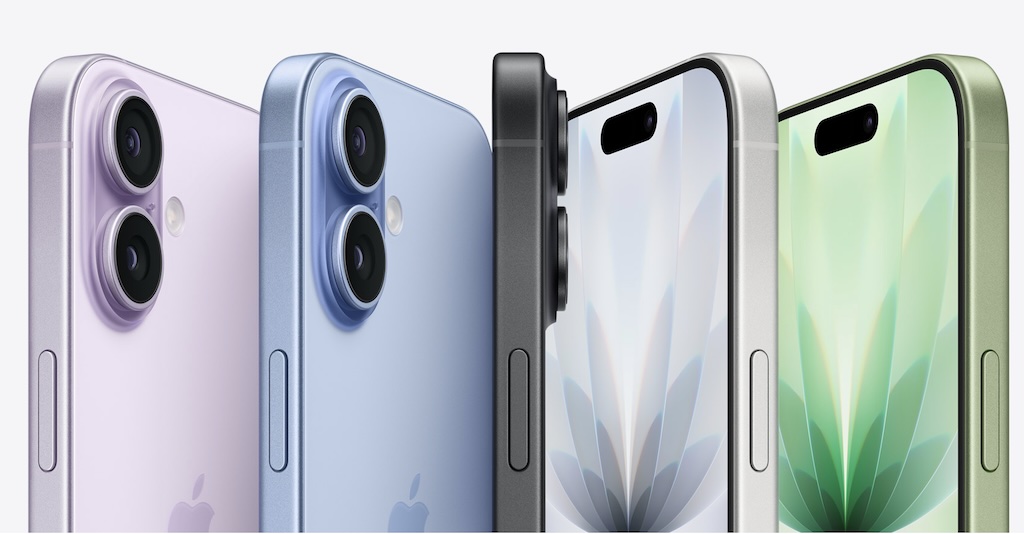
The base iPhone 17 launches at ₹82,900. That’s not cheap by any measure, but in 2025’s hyper-inflated market, it’s surprisingly grounded. Apple could have easily nudged this into the ₹90k territory and still sold millions, but it didn’t. Instead, it’s priced in a way that feels justifiable — a rarity for an iPhone.
Contrast this with Samsung and Google, who are steadily pushing their flagships into ultra-premium brackets, and suddenly Apple looks like the one playing fair. The base iPhone 17 has become the “reasonable flagship” in a world where reasonable no longer exists.
The iPhone Air — Filling the Missing Piece
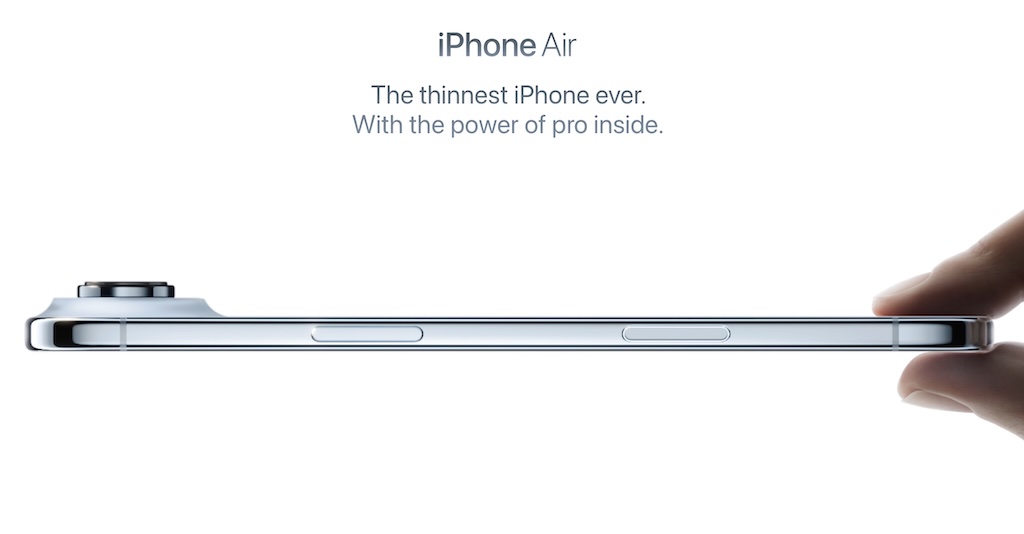
The iPhone Air debuts at ₹1,19,900, positioned neatly between the standard 17 and the Pro. This isn’t a watered-down compromise, it’s a smart new tier. Borrowing philosophy from the MacBook Air, the iPhone Air balances premium features with a lighter, cleaner approach.
It offers a compelling alternative for buyers who don’t want to jump straight from ₹82,900 to the heavy-hitting Pro tier. This move expands Apple’s reach while still keeping the brand’s aspirational image intact.
The Pro Still Pushes Boundaries
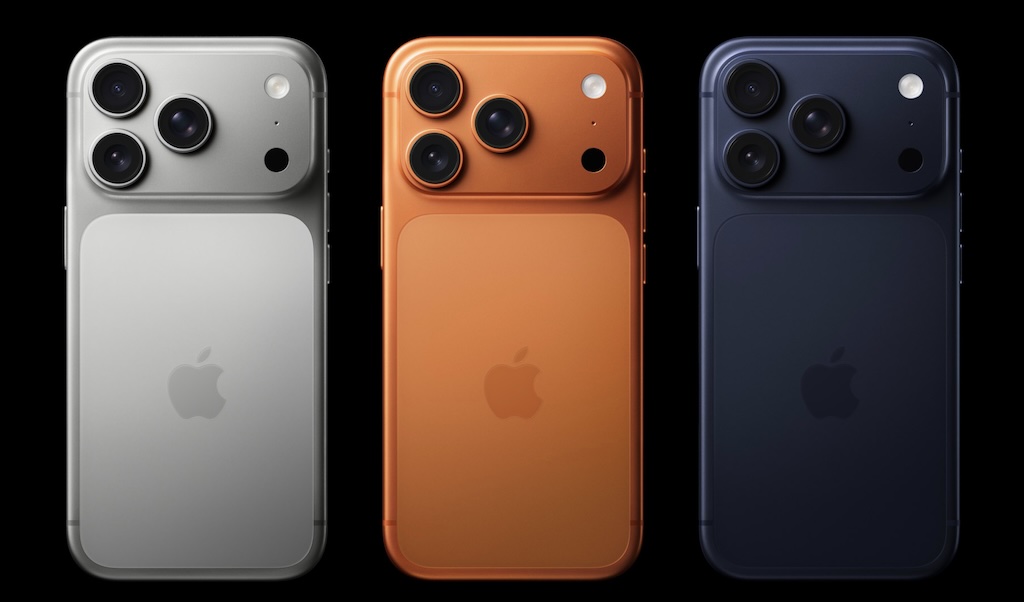
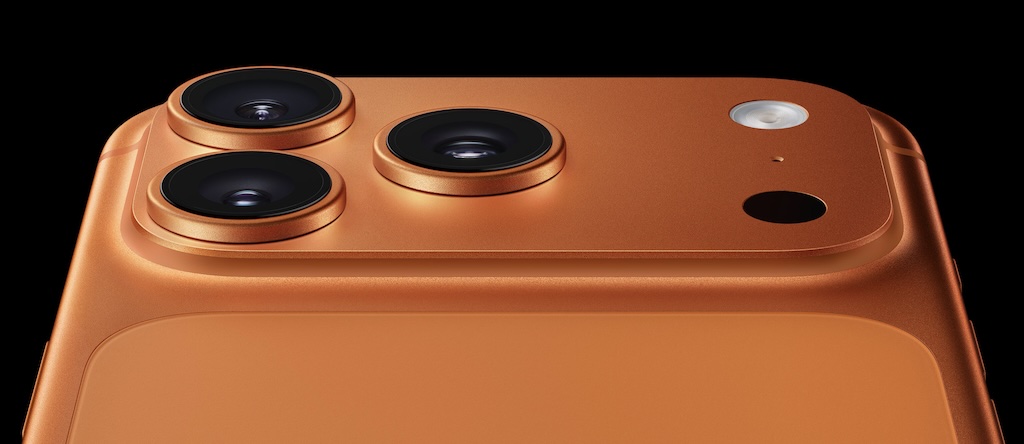
For spec-chasers, the iPhone 17 Pro starts at ₹1,49,900. This is very much Apple flexing its premium muscle. But crucially, thanks to the more balanced pricing of the base and Air models, the Pro doesn’t feel like a forced buy anymore. It’s now positioned as an upgrade of desire, not necessity.
A Smarter Lineup Strategy
Look at the lineup now: SE → Air → Standard → Pro → Pro Max. That’s not just a stack, that’s a narrative.
- SE anchors the budget-conscious and developing markets.
- The new Air provides an everyday flagship at a sweet spot.
- The standard 17 makes high-end Apple tech accessible at sub-₹85k.
- Pro and Pro Max serve the spec and luxury crowd.
It’s a clean structure that mirrors the clarity Apple brought to its MacBooks years ago. This is not just about more phones — it’s about more sense.
Why This Matters
Consumers aren’t blind. In a world where “premium” has become shorthand for “ridiculously overpriced,” Apple’s pricing feels oddly pragmatic. The base iPhone 17 makes the case for itself without stretching logic, and the Air gives people an aspirational choice without jumping straight into ultra-luxury pricing.
This isn’t Apple suddenly becoming benevolent. It’s Apple being strategic — realizing that not every market can be squeezed forever, and that balance sometimes pays bigger dividends than excess.
Conclusion
Apple didn’t radically reinvent the iPhone with this generation. But maybe that’s not what 2025 needed. What it did was more subtle, and arguably more impactful: it aligned price, strategy, and range into something that actually feels cohesive.
For once, the conversation around the iPhone isn’t about “how much more expensive it got.” Instead, it’s about how — against all odds — Apple managed to get the pricing right. And in today’s market, that might just be the boldest move of all.