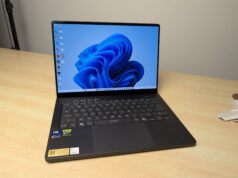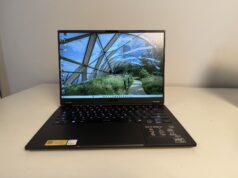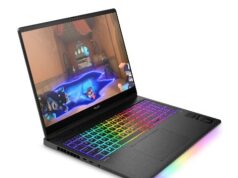
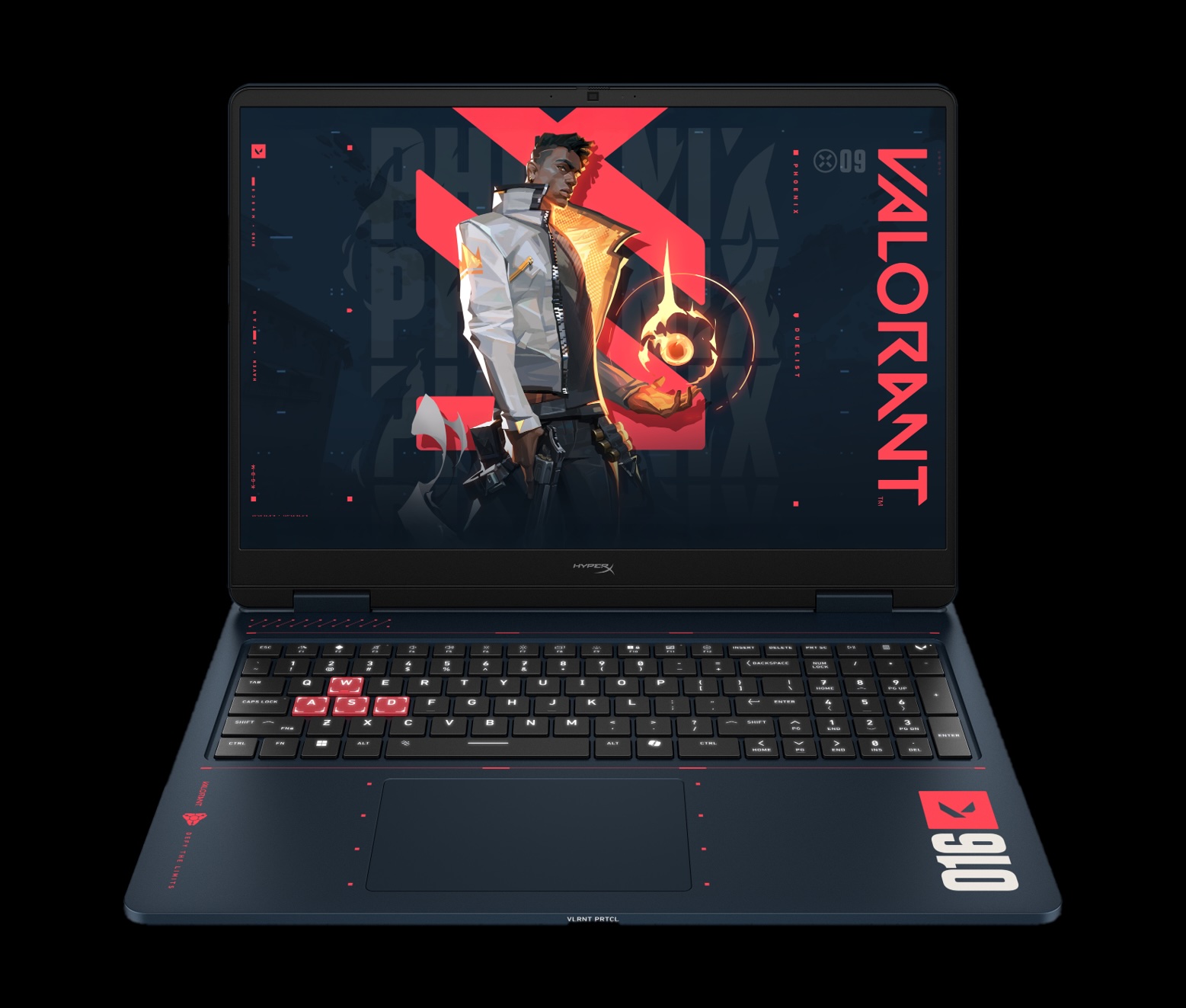
HP dropped the HyperX OMEN 16 VALORANT Limited Edition in India today. Built with Riot Games, priced at Rs. 2,24,999, and honestly, the first thing I noticed wasn’t the spec sheet. It was that someone at HP clearly sat down and played Valorant before designing this thing.
That almost never happens with collab hardware. Usually you get a logo slapped on the lid and a press release calling it a “deep partnership.” This one’s different, and I’ll get into why. But first, the boring bits nobody skips.
The specs
Up to an AMD Ryzen 9 9955HX, 16 cores, from AMD’s Fire Range lineup. That’s genuinely solid silicon, especially if you stream while you play or run Discord and OBS in the background chewing threads. Paired with up to an RTX 5070 laptop GPU, 8GB VRAM. Display goes up to 2.5K at 240Hz with 3ms response time. Keyboard runs HyperX’s 8K polling tech. OMEN AI handles per-game tuning so you’re not digging through fifteen menus every time you launch a different title.
Sold through HP’s online store, HP World stores, select retail, Amazon, and Flipkart.
For a Valorant machine specifically, that’s a genuinely competent loadout on paper. High refresh, low response time, a CPU that won’t choke your frame times. Good.
Now the design, because this is where they actually earned it
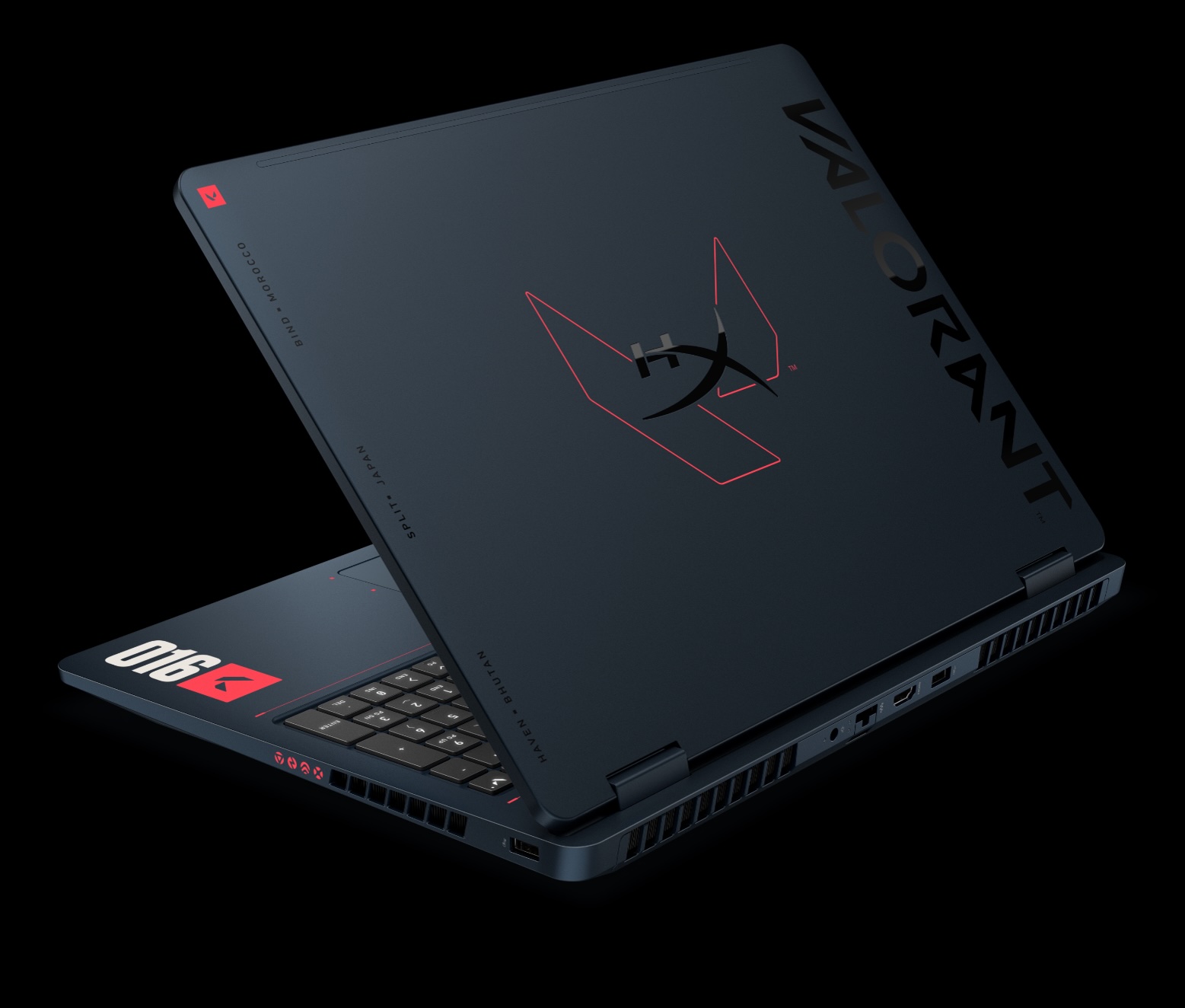
I’ve seen the renders. The lid takes the HyperX wing logo and bleeds it straight into Valorant’s angular “V,” done in a thin red outline against the dark chassis. Subtle, not screaming for attention.
Flip the laptop over and the deck has Bind, Split, Haven laser etched into the metal. Map names. That’s not a sticker pack, that’s someone who’s actually queued ranked on these maps deciding they mattered enough to put on the hardware. The WASD cluster gets called out in red on the keyboard too, small detail, but it’s the kind of thing you only add if you’ve actually played the game and know which four keys matter.
Open the lid and the default wallpaper is a Phoenix illustration, red and navy, poster style. It actually matches the outside of the laptop instead of looking like whatever wallpaper HP had lying around from a stock folder.
I review a lot of “gamer collab” hardware. Most of it is lazy. This one isn’t, and that’s worth saying plainly.
Okay, here’s my problem
8GB VRAM. On an RTX 5070. At two lakh twenty five thousand rupees.
I’ve said this about every laptop 5070 I’ve touched this year and I’m going to keep saying it until it stops being true. VRAM is the first thing that runs out, not the GPU core, not the CPU. It’s the texture pool. It’s ray tracing stacked on native res. It’s just having the laptop for three years instead of one. Our review of the latest Zephyrus G14 with the same GPU and VRAM proves this.
Will Valorant choke on 8GB? No. The game’s light enough that this isn’t even a real concern for the thing this laptop is literally branded around. But nobody’s spending 2.24 lakh on a laptop to only ever play Valorant on it. The second you point this machine at anything heavier, that VRAM ceiling is the thing deciding how long this laptop stays worth using.
This isn’t an HP problem specifically. It’s the entire 8GB tier of laptop GPUs currently shipping at prices where buyers reasonably expect more room to grow. HP built a genuinely thoughtful, well designed machine here and then handed it a GPU spec that undercuts its own shelf life. That’s the part that actually annoys me, because everything else about this launch shows they were paying attention.
So who should buy this
If you want this specifically as a themed Valorant machine, something you’ll keep for the game and the aesthetic rather than as your one do-everything laptop, the design work here makes the premium over a plain OMEN 16 worth paying. If you’re buying it as your only gaming laptop and Valorant’s just one of several things you play, know what that 8GB number means before you hand over the card.
Live now on HP’s online store, HP World stores, Amazon, and Flipkart.