

When the original Core 2 Duo launched, I listened to that little chime — you know the one — and felt something change in my bones. Multiple cores were suddenly real, not just academic. I remember staring at Task Manager and thinking, this is the future. That tune, that moment, kicked off a lifelong obsession with computers for me.
Years later I upgraded from an Intel 6700X to a 12900K and felt the same rush all over again. The machine didn’t just feel faster — it expanded what I could do. Video editing, gaming, streaming: each task stopped being a compromise. Intel was, for me, the company that made the idea of a better computer tangible. That’s why watching Intel struggle over the past few years doesn’t feel abstract — it feels personal. If Intel falters, the people who buy our hardware, build content, and push tech forward lose out. Simple as that.
A confession: I was burned by 13th and 14th-gen instability
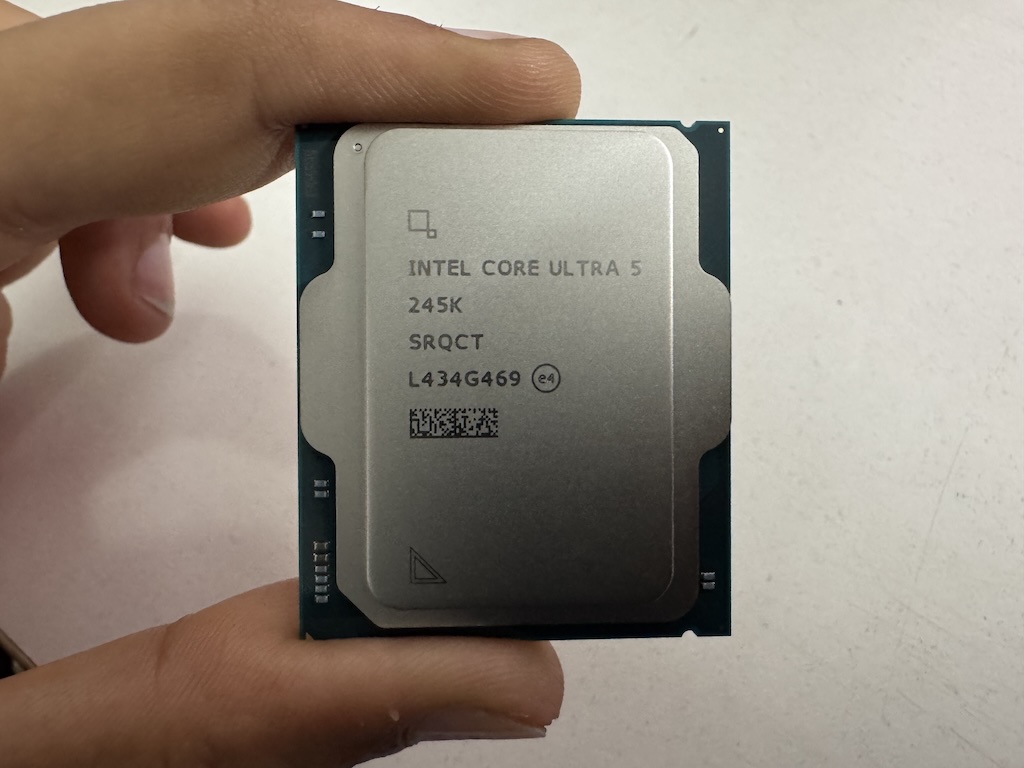
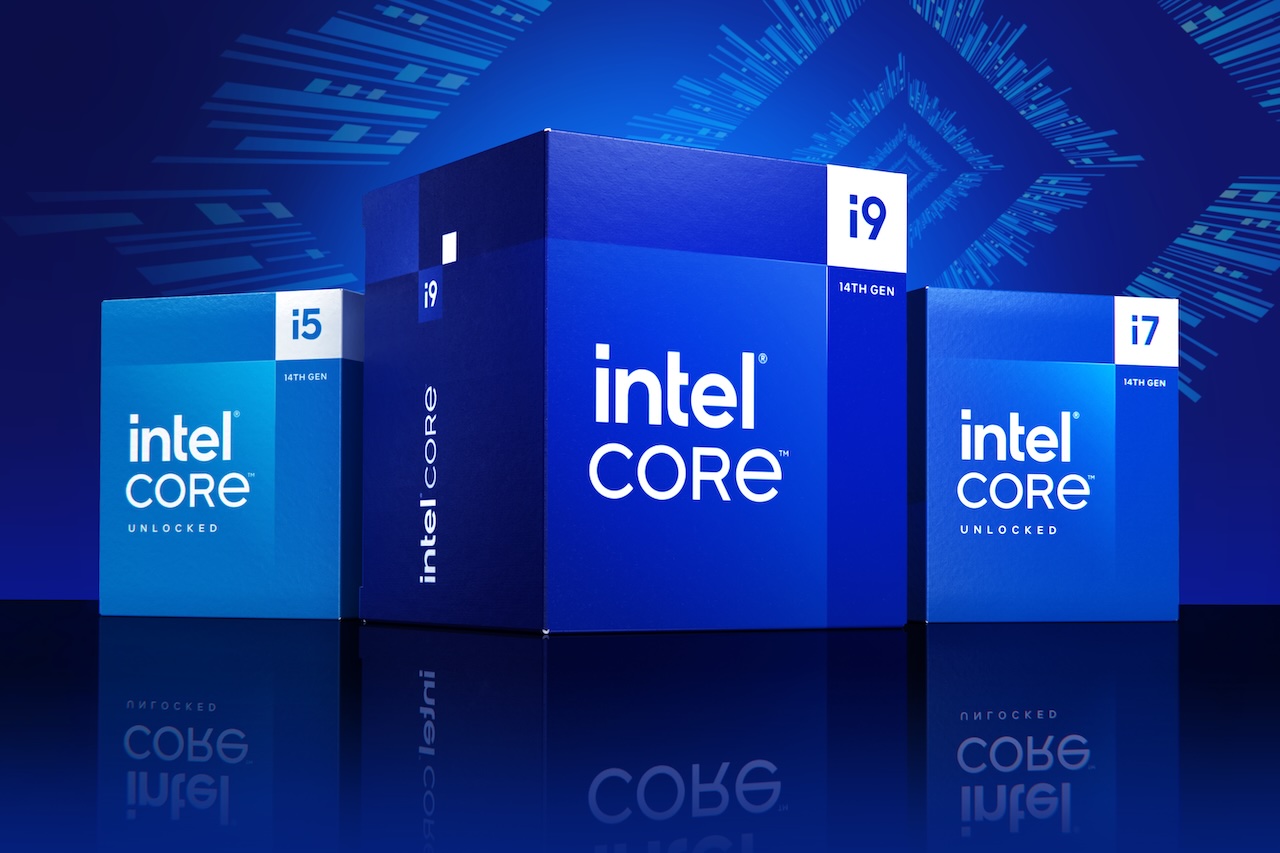
I have to be honest — my faith took a hit. The 13th and 14th gen Intel era was rough. My rig crashed. A lot. I was the kind of PC builder who’d swap RAM, reseat the CPU, update BIOS, and still stare at a reboot loop thinking, is it me or the silicon? The instability was maddening. For someone who builds and tests hardware for a living, watching a machine fail even after you’ve swapped every component but the CPU is infuriating. Consumers were justified in their anger — Intel should have been more thorough before shipping chips that caused data-loss and system instability.
OEMs and builders picked up the slack with BIOS fixes and microcode patches, but the damage to trust was real. Community threads and vendor bulletins documented crashes and required fixes that took months to stabilize.
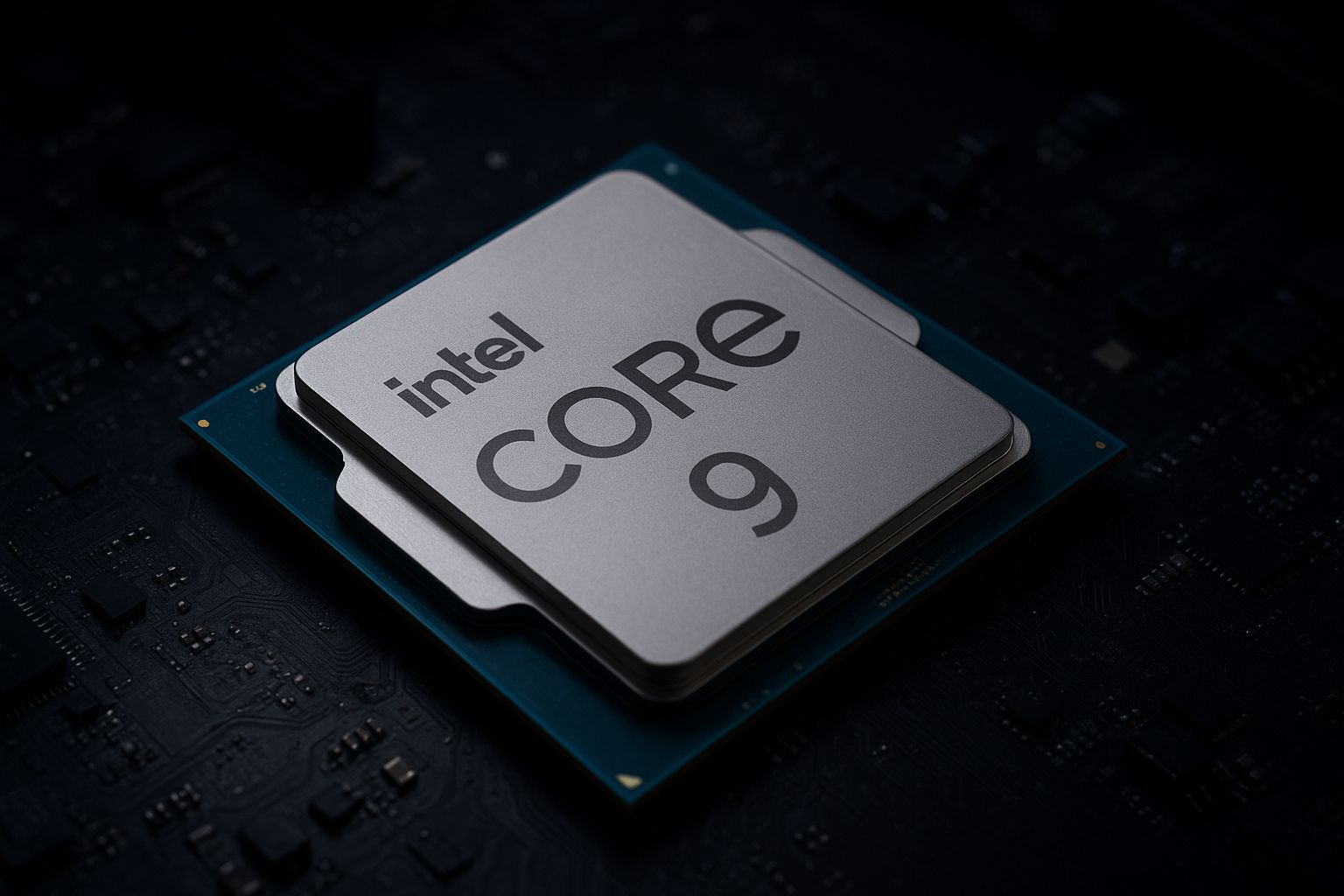
That’s also why the Core Ultra 9 285K gave me hope. People criticized it for not always being the rawest gaming performer compared to some earlier chips, but as a productivity workhorse it’s phenomenal — and it felt solid in daily use. I still think Intel can redeem itself. But redemption won’t come from PR alone; it needs engineering integrity, transparency, and consumer-first actions.
The situation — in plain terms
Intel is heavily invested in its manufacturing roadmap, especially the 18A node, under its IDM 2.0 strategy. But recent reporting highlights serious yield issues and uncertain timing. Reuters reported Intel is struggling with low yields on 18A — raising questions on its near-term import, and with cost-cutting and workforce reduction efforts underway.
Meanwhile, Intel’s Q2 2025 financials show tight margins and high CAPEX. With heavy investments in fabs and technology, profit pressures are substantial.
Why this matters to you (the consumer)
- Less competition = worse deals — A faltering Intel leaves AMD, Apple, and others with pricing power. That slows market innovation, and we pay the price.
- Reliability matters — Crashes ruin trust. We build, work, and game — instability kills that.
- Strategic risk — National ambitions for domestic chip capacity lean on Intel’s ability to deliver. Without it, the supply chain is weaker.
Could Intel win consumer trust with smart moves?
Intel’s financials don’t allow room for reckless price cuts. But thoughtful strategies can still restore goodwill and signal confidence:
- OEM / channel bundles — Team up with motherboard makers and include combo deals that benefit users without slashing CPU MSRP.
- Rebates and trade-in programs — Temporary reductions that reward loyal users while protecting list price integrity.
- Extended warranty or support credits — A visible promise of reliability without margin erosion.
- Selective promos — Deals for students, creators, or emerging markets to build loyalty and market share.
- Software or platform add-ons — Free creative apps or performance tools bundled with hardware elevate perceived value without hurting pricing.
These options deliver consumer goodwill, reward early adopters, and maintain Intel’s pricing power while margins are under pressure.
What I want to see from Intel (practical roadmap)
- Honest, realistic communication. Engineers need breathing room, but consumers deserve accurate expectations.
- Fast, transparent stability fixes. Hardware glitches shouldn’t be left to community patches. Patch cycle and RMA clarity matters.
- Targeted goodwill programs. Not across-the-board discounting, but meaningful value-adds that repair consumer trust.
- Strategic partnerships or foundry models. If full IDM expansion is too risky, collaboration or joint ventures might preserve competition.
The upside — staying hopeful
Intel still holds unmatched fab infrastructure, IP, and volume. Governments see chip fabs as strategic, which may support funding and regulatory backing. If Intel ensures process stability and combines that with consumer-first programs, the result benefits everyone: more innovation, faster chips, healthier markets.
Final word — why this matters to me
This isn’t nostalgia — it’s a realistic hope for better chips, better choices, and faster progress. Intel once symbolized the promise of personal computing. If they get their act together, that spirit can return — and the next generation will click on that Intel tune with anticipation, not concern.