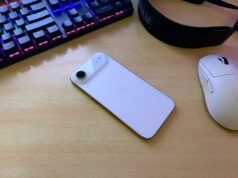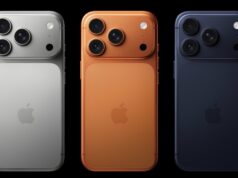
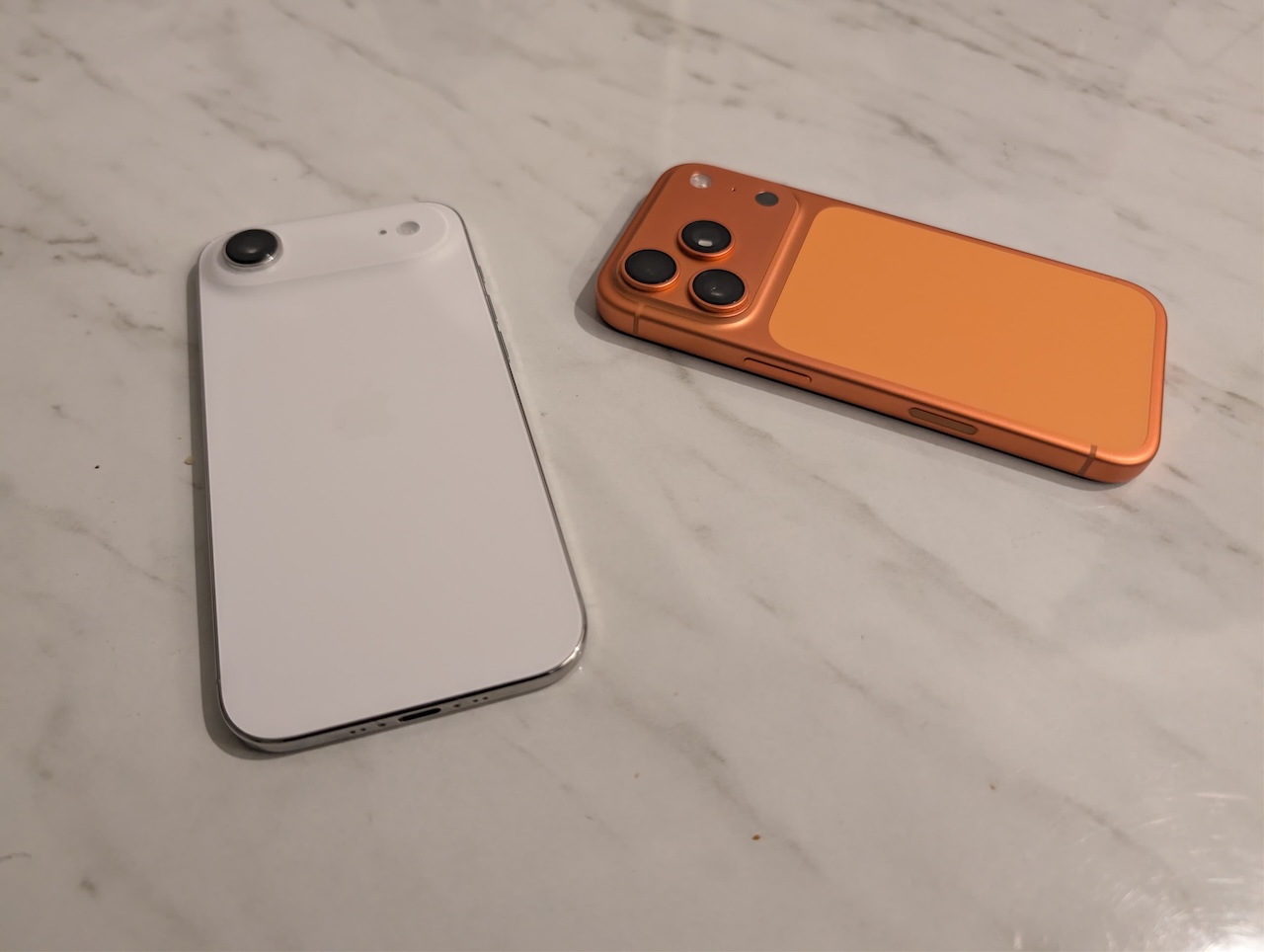
For the past two months, I’ve been switching back and forth between the iPhone 17 Pro and the iPhone 17 Air — not for a day, not for a weekend, but long enough to understand how both behave in real life. Specs aside, I wanted to figure out which one actually fits into my day, my habits, and my workflow without forcing anything.
I didn’t expect the answer to surprise me.
And I definitely didn’t expect it to challenge the obvious, mainstream choice.
But somewhere during this two-month experiment, one of these phones quietly became the one I kept reaching for automatically. You’ll see which one it is by the end — and why.
Now let’s talk about what those two months revealed.
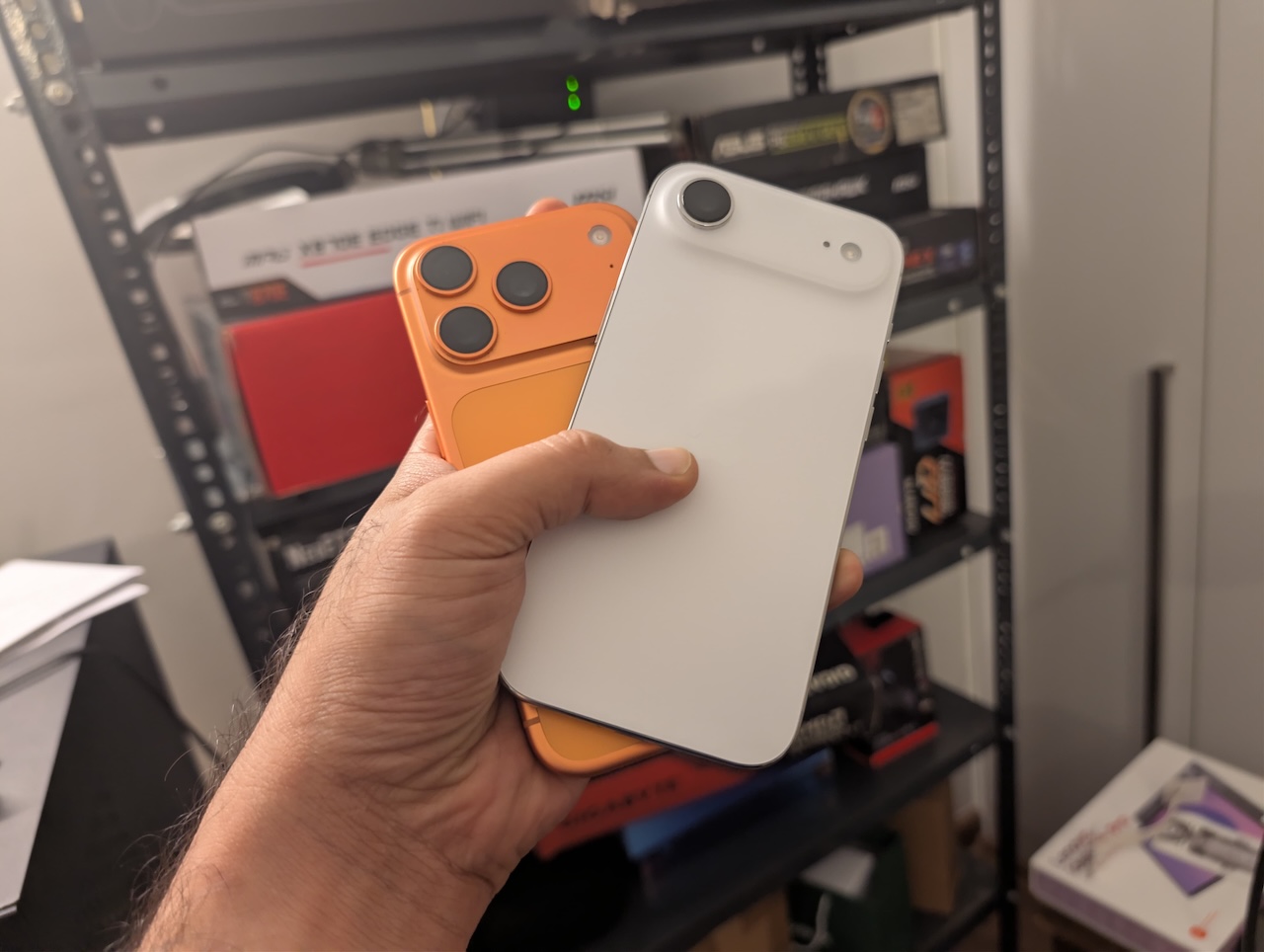
The first thing that struck me was just how different the two phones feel in the hand. Everyone around me seems to be carrying the 17 Pro this year, especially that orange colour that’s basically everywhere. It’s a fantastic phone, but it blends in a little too well. In a sea of Pros, the Air immediately has more presence. In an odd way, the Air’s pricing adds to this aura — it’s a premium device that doesn’t necessarily make sense from a pure value standpoint, and because of that, it quietly says you care less about money than the person who chose the “obvious” option. It’s irrational psychology, but it exists.
In a sea of Pros, the Air immediately has more presence.
Then comes the twist: the iPhone 17 Air is actually the more premium-feeling phone this year. It’s the only new iPhone with a titanium frame. The 17 Pro uses aluminum. That’s not a typo. The model called “Air” is built like a luxury object, with chromed titanium edges that give it a jewellery-like finish you instantly notice. It’s thin, yes, but also surprisingly rigid thanks to Grade 5 titanium and Apple’s Ceramic Shield 2. It doesn’t creak, flex, or feel fragile in any way.
Performance was something I expected to differ, but it simply didn’t. Both phones run the same chip, and everything I threw at them — iMovie edits, multi-layer Instagram reels, heavy multitasking — felt identical. Scrubbing timelines, exporting videos, jumping between apps, nothing ever felt slower or weaker on the Air. Technically, the thinner body can throttle faster in extreme workloads, but those scenarios rarely exist outside synthetic tests. In my actual day-to-day use, the Air handled everything flawlessly. Not once did it feel like it was lagging behind the Pro.
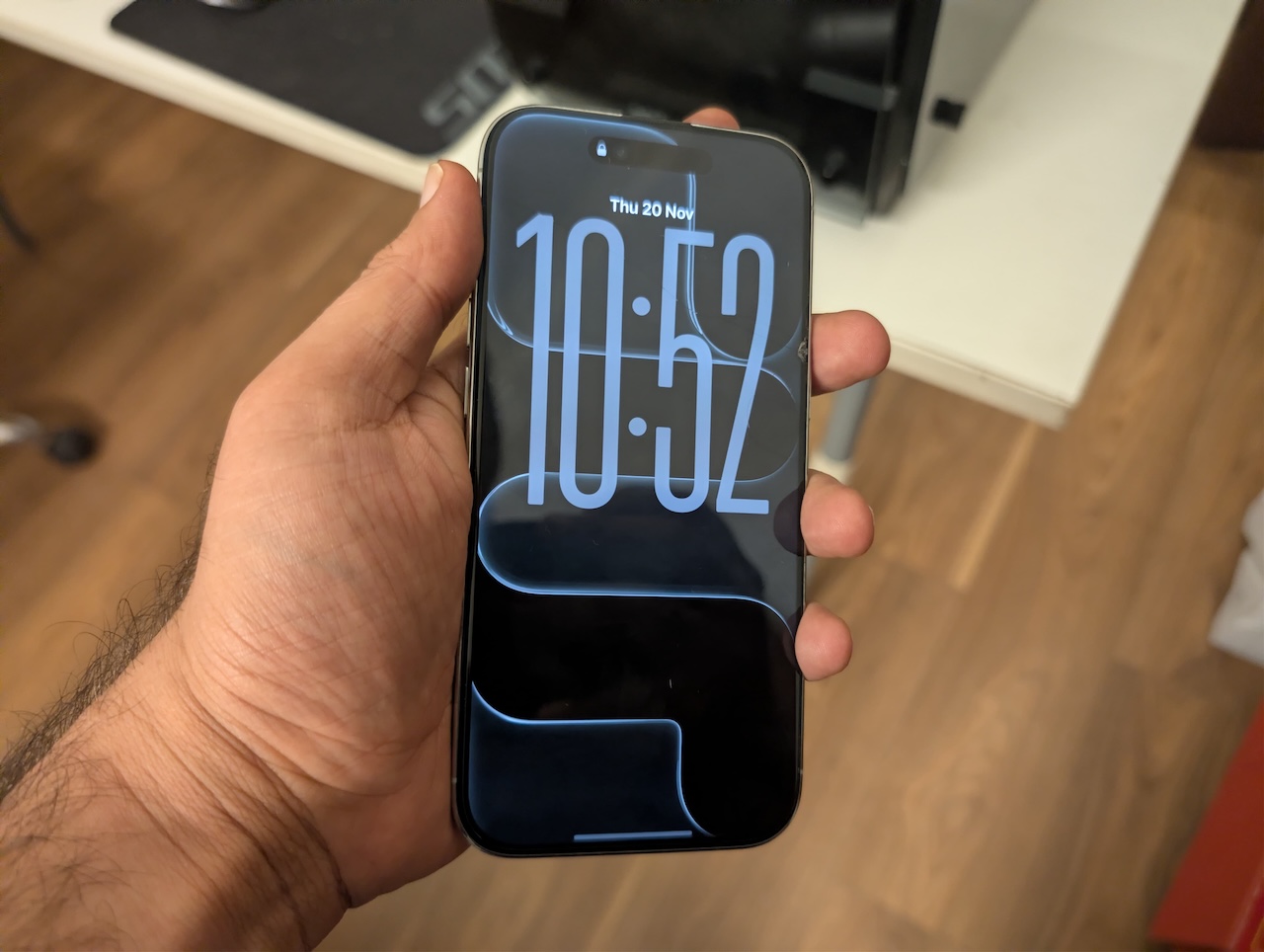
The camera experience turned out to be another interesting discovery. The Air uses the same main camera and front camera as the Pro, just without the extra lenses. After using it extensively, I realised I don’t rely on those additional lenses as much as I thought I did. For normal photography, the Air is excellent. For YouTube vlogs, using one dependable lens was actually easier and less distracting. I didn’t miss the telephoto or ultra-wide at any point.
The biggest advantage the Air holds, and the one that becomes obvious after weeks of daily use, is its physical experience.
There is one area where the Pro clearly stays ahead: the speakers. The 17 Pro sounds fuller and louder. The Air is definitely weaker in this department. But when you’re building a phone that’s barely over 5 mm thick, something has to give. Surprisingly, the speaker compromise didn’t bother me nearly as much as I expected.
The biggest advantage the Air holds, and the one that becomes obvious after weeks of daily use, is its physical experience. At roughly 5.6 mm thickness and about 165 grams, it feels like a completely different class of device. It’s lighter, easier to hold for long stretches, and more comfortable to use for video editing, reading, or browsing. Switching back to the Pro makes the Pro feel dense and old-school.
Technically, the thinner body can throttle faster in extreme workloads, but those scenarios rarely exist outside synthetic tests.
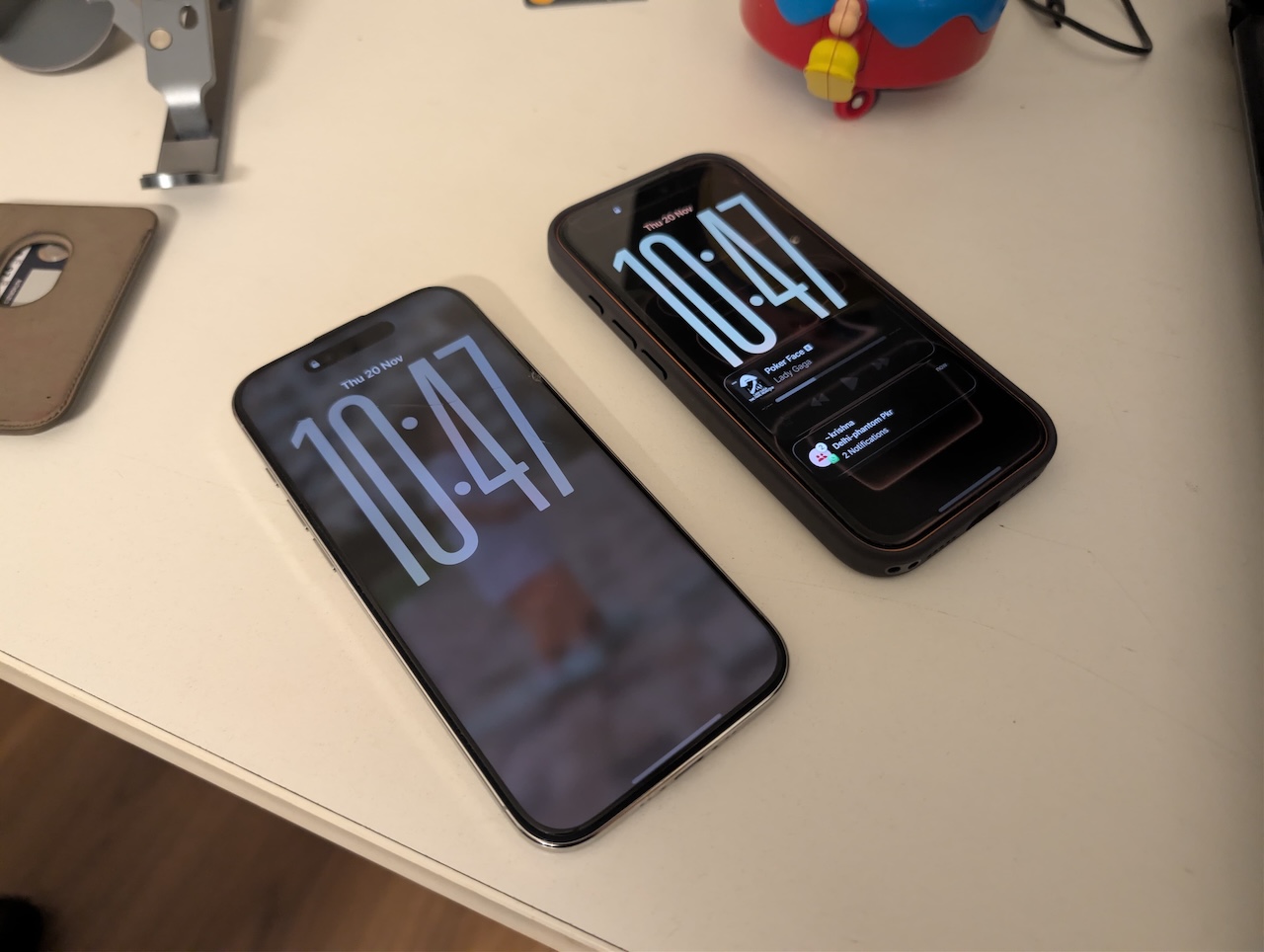
Connectivity differences are small but worth mentioning. The Air supports all the modern standards — Wi-Fi 7, Bluetooth 6, Thread, Ultra-Wideband. The only omission is mmWave 5G in some markets, which barely affects anyone in India. For most users, the connectivity experience is identical.
Thermals and battery life show the expected differences. The Air can get warmer under extreme stress tests, and the battery — while good — won’t match the thicker Max-sized models. Still, it holds up surprisingly well. A full day of moderate use is normal, and even heavy days aren’t a problem unless you’re shooting hours of 4K video.
If I could change one thing about the Air, it would be the size. This model replaces the “Plus” in the lineup, and while it’s manageable, I still prefer the smaller standard size. A compact version of this phone — an Air Mini — would be perfect. Think iPhone 12/13 Mini proportions but in this thin, titanium build. That would be my ideal everyday iPhone.
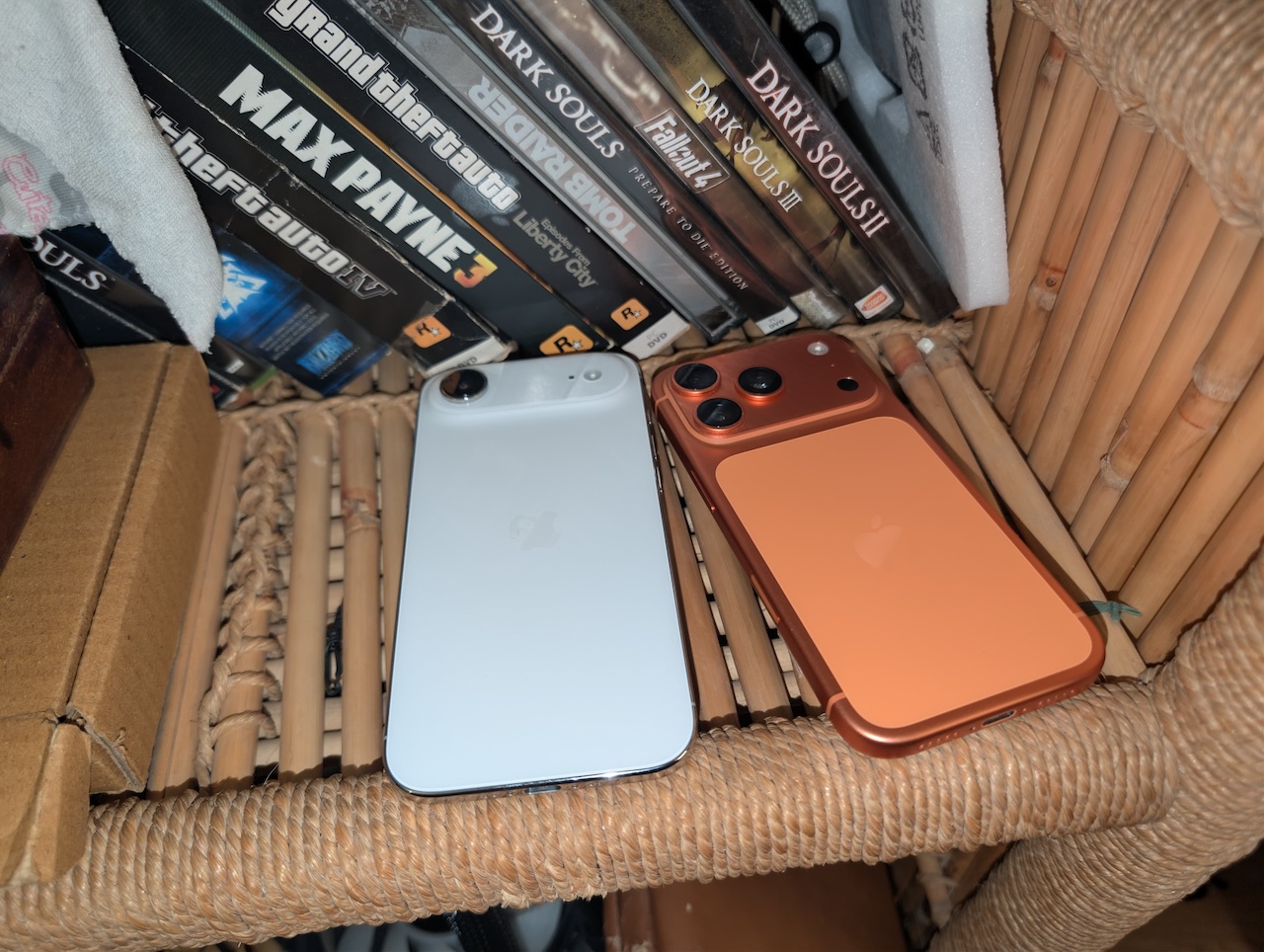
And now the answer to the question I began with.
After two months of using both phones side by side, the one I naturally gravitated toward, the one I reached for without thinking, the one that fit my day better, was the iPhone 17 Air.
Not because of specs, and not because it’s objectively better, but because it simply feels better to live with. It has personality. It has presence. It has a vibe. And in 2025, where every phone is fast and every camera is good, that matters more than ever.