I carried both the iPhone 17 Pro and the Google Pixel 10 Pro with me for six full months. People stared. Some asked questions. Most thought I was weird. But pulling out two flagships simultaneously was the only way to catch the small, real-world quality-of-life differences that a typical review timeline simply cannot surface. iPhone was my primary for the first three months. Then I switched, making the Pixel my daily driver for the next three. Both phones were always in my pocket, and both were being used, since I have two SIM cards. I have written before about why the iPhone 17 lineup made sense as a purchase, but living with it daily for six months alongside its biggest Android rival is a different conversation entirely. Here is everything I found.
Wi-Fi Connectivity: iPhone Wins Where It Counts
My home has a couple of stubborn Wi-Fi dead spots, the kind that your router manufacturer does not want to acknowledge. Through those stretches of corridor and around that one concrete pillar, the iPhone 17 Pro held signal while the Pixel 10 Pro dropped out consistently. This is not a minor gripe, because in day-to-day use, especially when you are mid-way through a video or recording a voice note while walking through the house, a reliable connection matters more than people give it credit for. The iPhone’s antenna performance and Wi-Fi radio management are genuinely ahead here, and it is one of those advantages you would never notice in a one-day review but becomes impossible to ignore over weeks of real usage.
Speakers: iPhone Is in a Different League
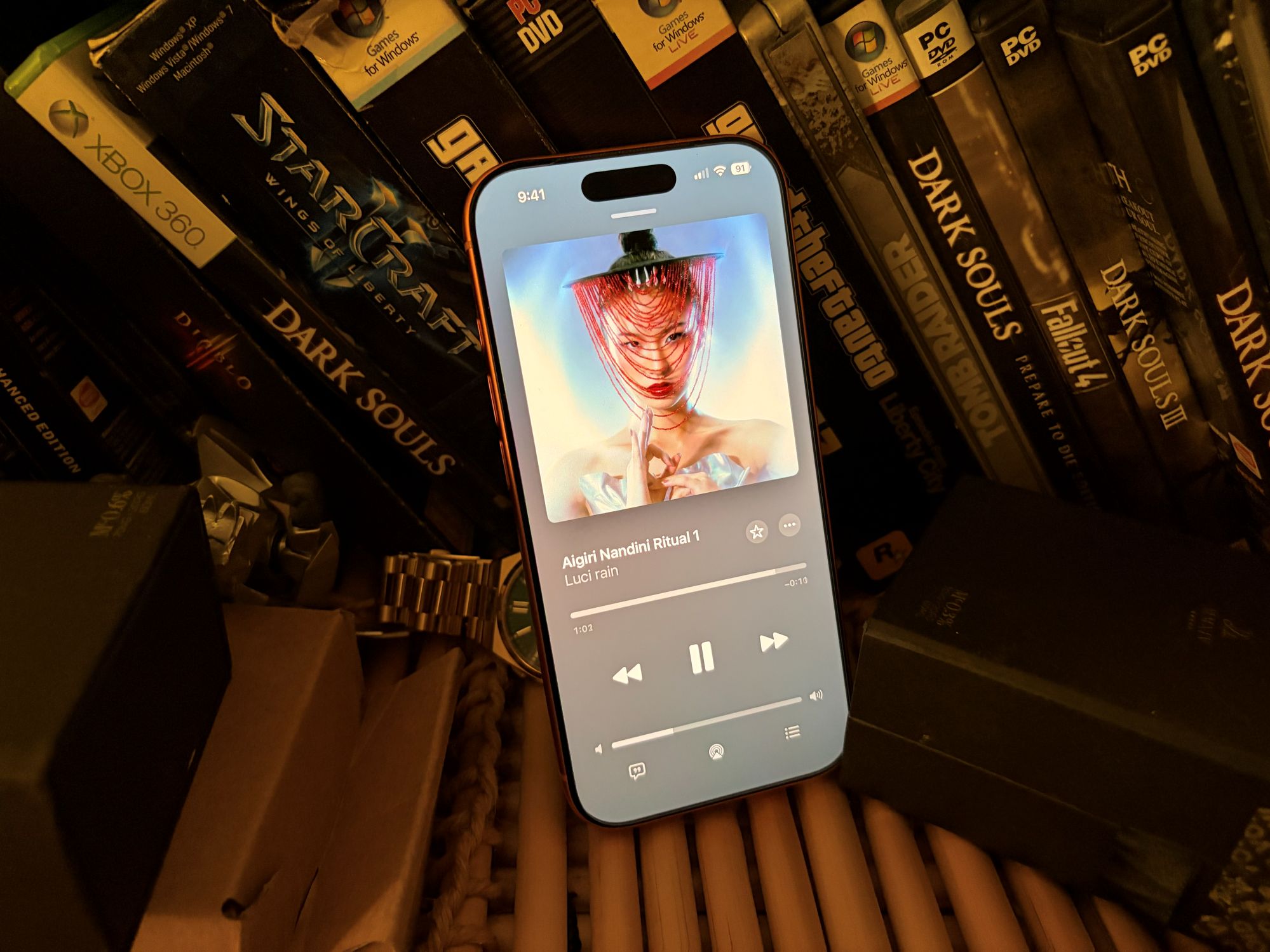
The iPhone 17 Pro’s speakers are outstanding, with clear, balanced audio and actual bass presence that you do not expect from a device this thin. Spatial Audio is not just a marketing slide here; it genuinely works, and if you put on a well-mixed track or a cinematic trailer, the sound stage opens up in a way that surprises you. There were many moments where I felt there was a speaker adjacent to me, or behind me. And those moments caused me pause, and realise that oh, it’s the phone. The Pixel 10 Pro’s speakers are perfectly acceptable and will not embarrass you, but they will not impress you either. If audio matters to you at all, whether for music, YouTube, movie watching, or calls on speaker, the iPhone 17 Pro is the clear winner and the gap between them is not small.
Display: Daylight Performance
In direct North Indian sunlight, the iPhone 17 Pro’s display punches through significantly better. You can read content, navigate, and shoot without squinting or shading the screen with your hand, which in this country is a practical necessity rather than a luxury. The Pixel 10 Pro struggles slightly more at peak outdoor brightness, and that becomes a real limitation when you spend a lot of time outside.
Auto-Brightness: The Pixel Never Learned
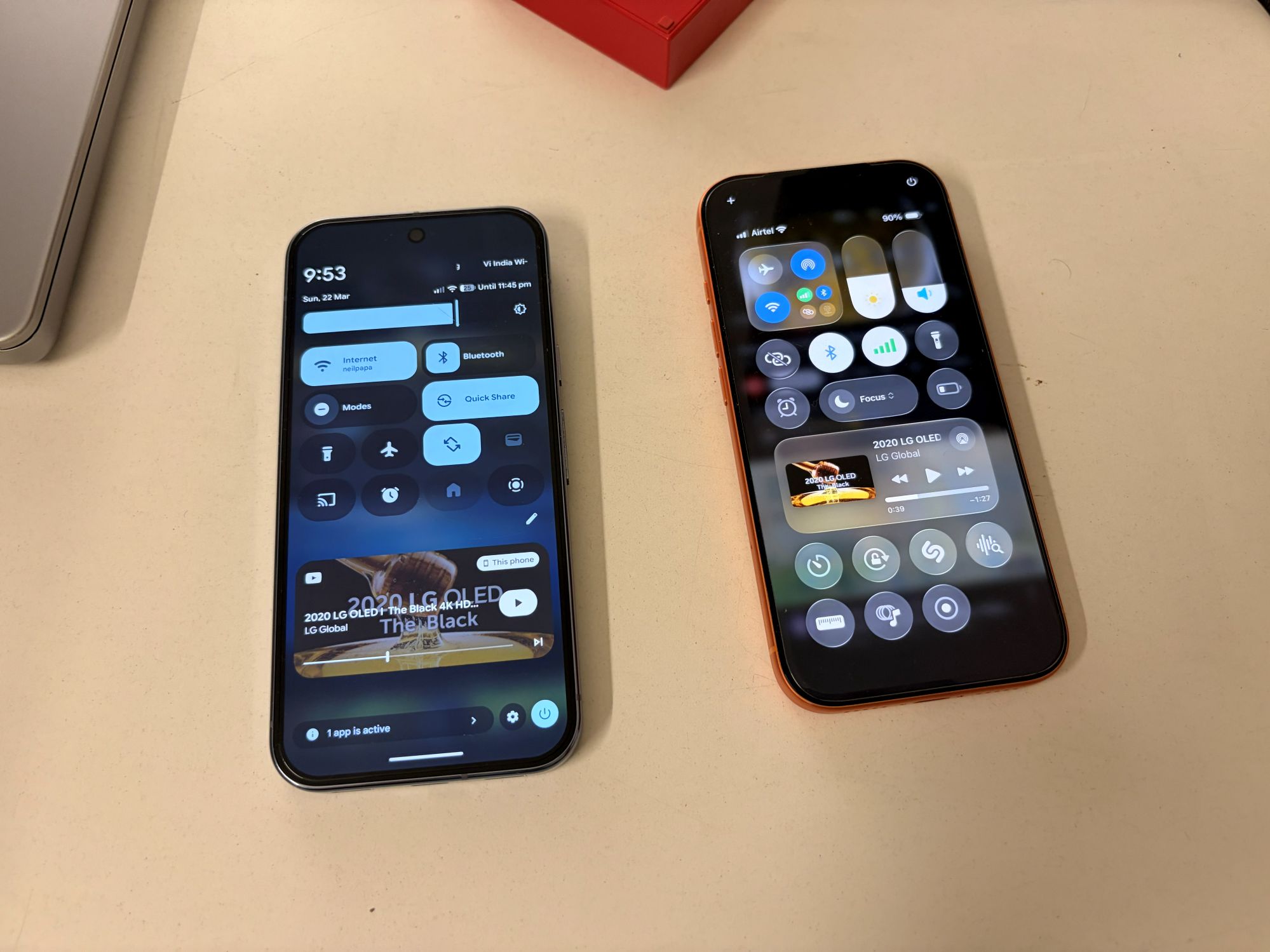
This one genuinely annoyed me. In a dark room or dim environment, the Pixel would pull the screen down to a brightness level lower than what I find comfortable. Fair enough, I would nudge it up manually. What I expected was that the phone would learn my preference over time and stop doing it. It never did. Six months in, every single time I was in a low-light environment, I had to manually increase the brightness again. The phone simply never adapted. That simply changed a habit of mine: when scrolling through social media, I naturally gravitated towards the iPhone over the Pixel.
The iPhone’s auto-brightness, by contrast, is more accurate to what brightness you need, not more, not less. It is not perfect, but it responds to corrections and improves. The Pixel gave me the same experience on day one and day one-hundred-and-eighty. A small daily irritation, but six months of daily irritation adds up.
Build and Feel: Pixel Wins Your Hand
Here is where the Pixel 10 Pro genuinely impressed me, and this time in a “whoa” kinda way. And it continued to impress every single time I picked it up. The in-hand feel is exceptional, with a weight distribution, finish, and grip texture that makes it feel like a considered and premium object, something built to be held rather than just admired in a glass case. Something like you would feel wearing a luxury watch over a mass-market one. The iPhone 17 Pro, by contrast, feels “flagship generic” in the hand. It is well built, obviously, but it does not have that same tactile identity. If someone blindfolded you and handed you both phones, you would know the Pixel by feel alone.
Durability: Pixel is Tougher Than You Think
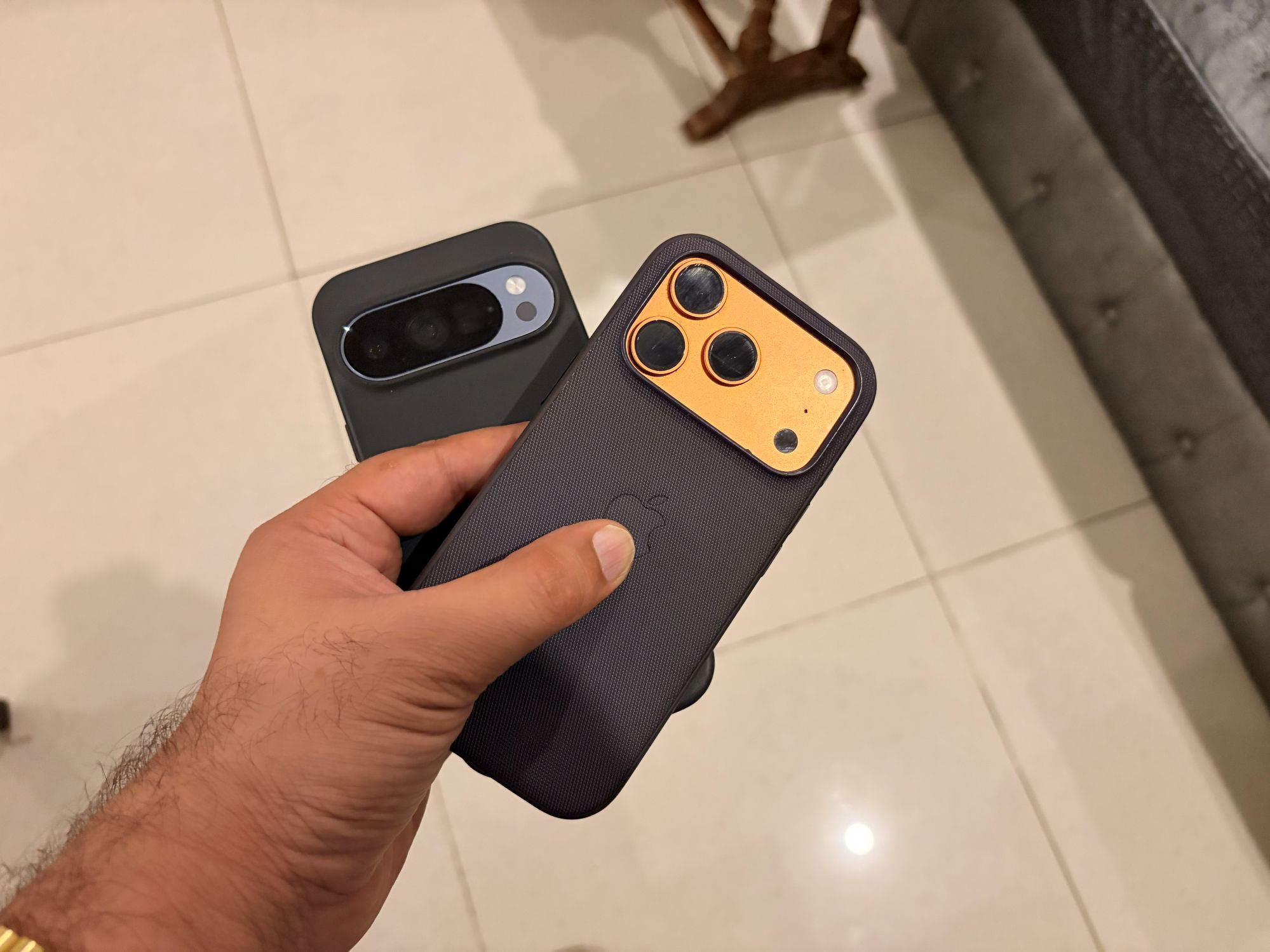
I dropped the iPhone 17 Pro a few days after getting it. It was in a case, fell from about two feet, and the screen broke. AppleCare sorted it, but still. Over six months, I can spot proper dents on the iPhone frame, areas where the shape has visibly changed from drops. The Pixel, on the other hand, has spent significantly more time naked than the iPhone, has probably taken more drops overall, and I cannot find a single dent on it. A few minor scuffs here and there, but that is it. The Pixel body is genuinely more durable, and that is something you do not see discussed enough.
Scratch Resistance: The Opposite Story
Here is the trade-off though. I love using phones without a screen protector. They look better, feel better, and in the Pixel’s case, the ultrasonic fingerprint reader actually works best without one on top. So I went naked on both. The iPhone held up well against micro scratches through six months of daily use. The Pixel screen picked up two visible scratches despite me being extra careful with it. It is more resistant to drops, but less resistant to scratches. If you plan to go caseless, know what you are signing up for.
Accessories: iPhone Wins India
I went through a lot of mobile accessory shops across Delhi NCR looking for cool Pixel 10 Pro cases. Something with a bit of character, some design, some options. What I found was a very thin selection of generic cases that all looked more or less the same. Walk into any shop and ask for iPhone 17 Pro cases and you will be there for twenty minutes making decisions. Ask for Pixel cases and you are done in thirty seconds because there is nothing interesting to choose from.
Ironically, the best case for the Pixel might be no case at all. I tried a couple of the generic ones, kept them on for three days, and then took them off because the phone just feels so much better bare. But that is not a choice you make deliberately, it is a choice the Indian accessory market makes for you by not bothering to show up. And, I’m a tech enthusiast reviewer so I have the leverage to conduct such experiments.
Cameras: A Split Verdict
Front Camera: Pixel Wins
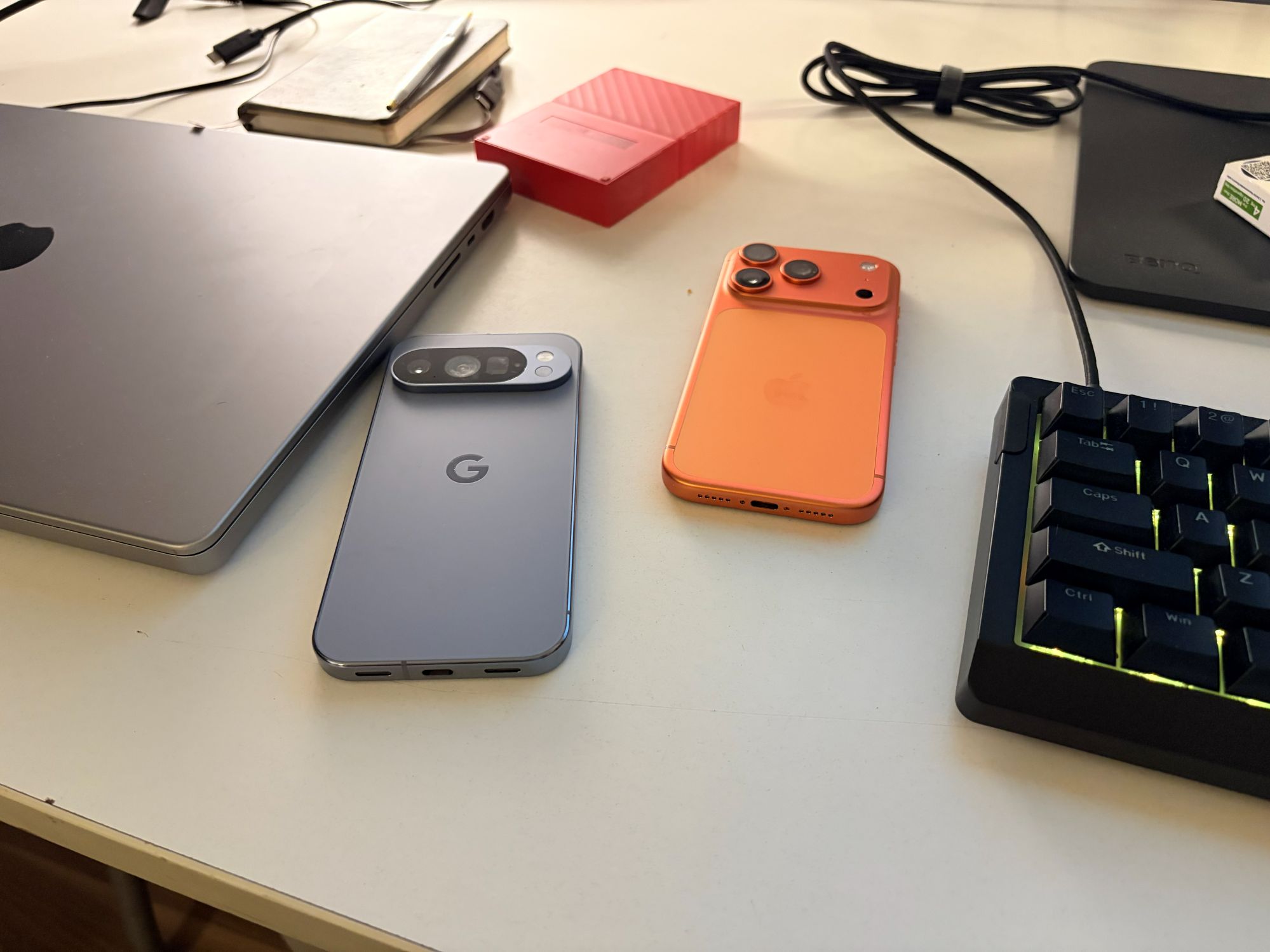
The Pixel 10 Pro’s front camera is noticeably sharper, with better detail retention in selfies, more texture, more clarity, and less of the soft-focus AI processing that tends to iron out everything into a smooth and slightly plastic-looking result. If your primary use of the front camera is portraits or social media content, the Pixel has a genuine edge here that is difficult to argue with. Almost all my selfie talking heads are shot on the Pixel 10 Pro.
Rear Camera: iPhone Wins
For everything else, I preferred the iPhone 17 Pro’s rear cameras. Dynamic range, colour science, and consistency across different lighting conditions all leaned toward the iPhone. I run a YouTube channel, I found myself defaulting to the iPhone for selfie vlogs because the overall output, framing control, and reliability of the iPhone rear system was simply better when I needed footage I could actually cut together and publish. Night photography is another area where the iPhone leads; the Pixel’s Night Sight remains good, but Apple has closed that gap significantly and the results now feel more natural and less over-processed.
ProRes 4K is a Real Advantage
The ability to shoot 4K ProRes on the iPhone 17 Pro is supremely useful if you edit professionally, and the footage holds up beautifully in DaVinci Resolve with far more grading latitude than standard compressed video. One important caveat: ProRes files are enormous. If your storage is not configured to handle the volume, you will run out of space mid-shoot and regret it. Plan ahead, but if you do, this feature alone sets the iPhone apart for anyone who takes video seriously.
Typing: Accuracy vs Speed
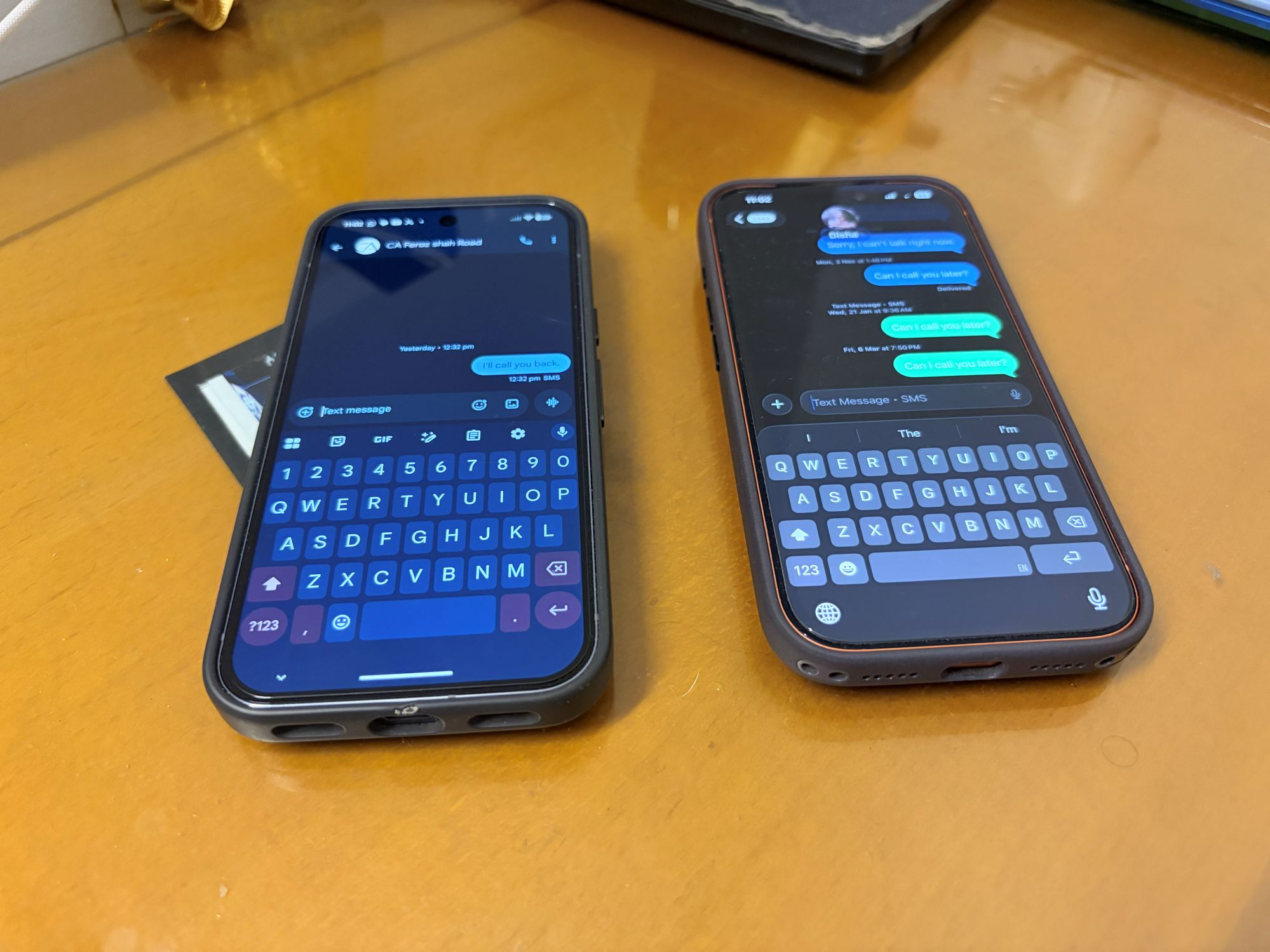
Disclaimer: I used the default keyboard apps on both phones. On the iPhone, I type more accurately, with fewer corrections and fewer autocorrect fights. On the Pixel, I type faster, because the keyboard layout and swipe gesture implementation on Android felt more fluid once I built up the muscle memory. Over six months though, I came to prefer accuracy over raw speed, because typing quickly means very little if you are constantly going back to fix errors. The iPhone’s keyboard won this one for me in real-world daily use, even if the Pixel occasionally felt snappier in short bursts.
AI Features: Google Has More, Apple Has Less
Google’s AI suite on the Pixel 10 Pro is more extensive and more deeply integrated into the experience. Call Screen, Live Translate, Magic Eraser, and Best Take are genuinely useful features that you find yourself reaching for in everyday scenarios rather than just demoing once and forgetting. Apple Intelligence on the iPhone 17 Pro is more conservative and in some areas noticeably behind — something I have written about at length when asking whether Apple Intelligence is catching the AI wave or just following the current. If AI-powered features are a priority, the Pixel wins this category, but the gap is narrower in real-life use than the spec sheets suggest. It all depends on person-to-person though, some people I know heavily leverage Pixel’s AI. I am not in that category.
App Ecosystem and Stability: iPhone, By a Distance
This is perhaps the most practically important category for most users, and the iPhone wins it decisively. Apps, particularly social media apps, work better on iOS. Instagram, YouTube, WhatsApp, and Snapchat are all more intuitive, human and coherent to use. The Pixel 10 Pro, despite being Google’s own hardware running Google’s own software, was inconsistent throughout my time with it. Apps crashed rarely, but the experience never felt as complete as the iPhone. Many times, I wanted to scroll on a social media timeline and instead the Pixel would swipe for me. And the Settings menu alone is enough to give one anxiety.
Even on the gaming front, iOS holds a structural advantage. Apple Arcade alone is a genuinely well-curated platform — there is mobile gaming, and then there is Apple Arcade, and the difference is real. The library keeps growing in quality too; some of the recent updates have been quietly brilliant. None of this is something a Pixel user gets to tap into, and if you game on your phone at all, that gap matters.
Calls, Haptics, and Face ID: The Details That Add Up
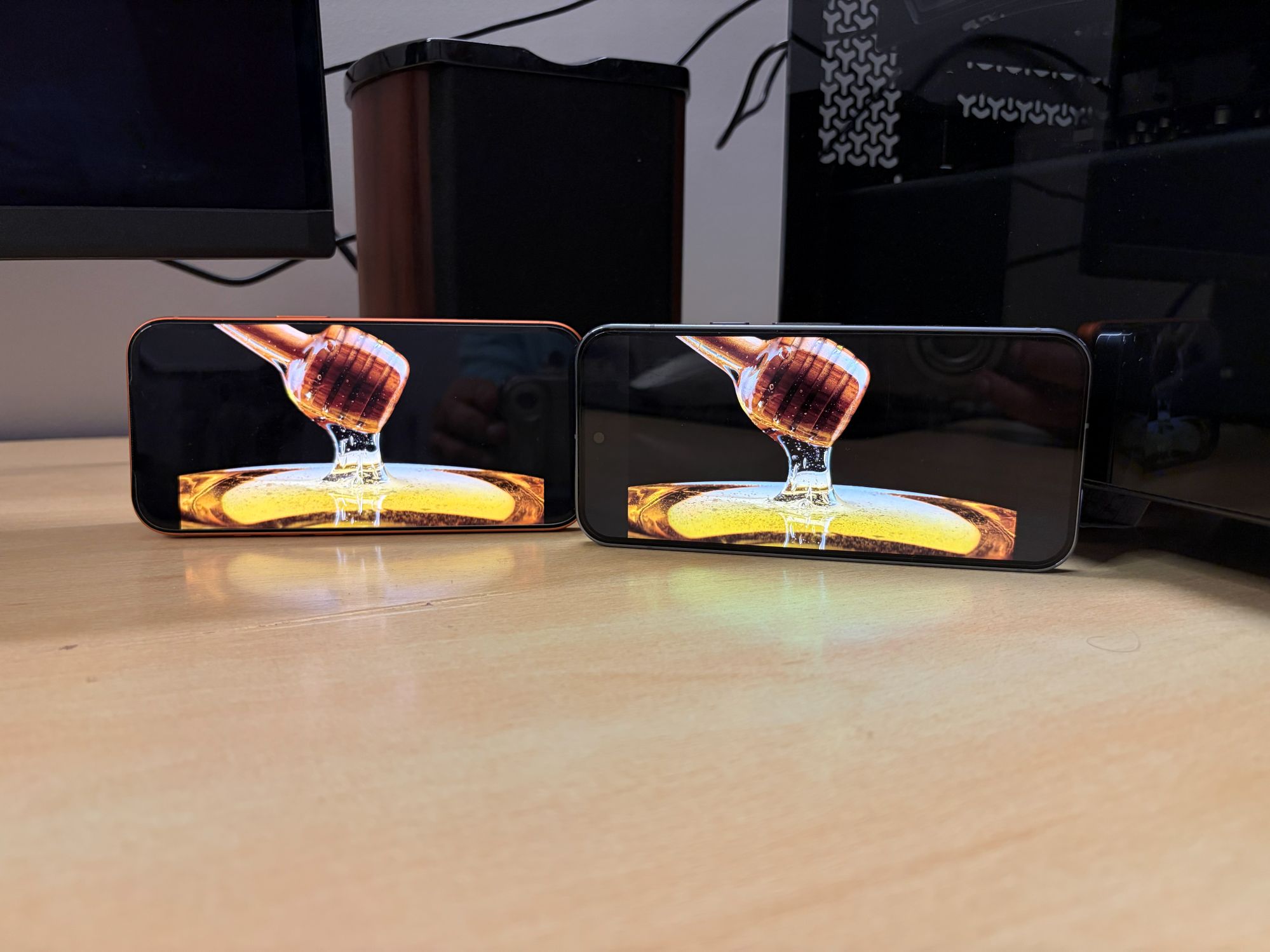
The iPhone’s loudspeaker is better for calls, with clearer voice reproduction and less distortion at high volumes, and the earpiece speaker is also superior in noisy environments. The vibration engine is in a completely different league. Apple’s Taptic Engine produces crisp, precise haptic feedback that you only truly appreciate after spending enough time on Android and noticing how mushy and generic the vibration feels by comparison. It is one of those small, considered details that Apple has always sweated — and it shows, much like the seamless experience behind Apple Invites being another cog in Apple’s beautifully oiled machine.
Face ID might be the single biggest functional difference between the two phones in day-to-day use. When I receive a call on the Pixel while it is locked, I have to actively verify my identity before I can hit answer. With the iPhone, Face ID detects my face passively as I pick the phone up, with no action required, and the phone is already unlocked by the time my hand reaches it. Over hundreds of interactions a day, this seamlessness accumulates into something that considerably changes how the phone feels to live with. It is very hard to give up once you have had it.
Google Photos vs Apple Photos
I expected Google Photos to be the clear winner here. But Apple Photos has caught up significantly, and in terms of day-to-day speed, searchability, and general intuitiveness, I found Apple Photos more pleasant to use throughout this comparison. Google Photos felt slower to index new shots, less predictable in search results, and occasionally sluggish when browsing a large library. Both apps work, but Apple Photos felt more refined and less like something I had to work around to get things done. Also, Google Photos is more intrusive, the opposite of what I appreciate. In general, Android is more intrusive OS, if you may, than iOS.
The Ecosystem Reality
I have been in the Apple ecosystem for six or seven years, and using iPhone alongside a MacBook Pro and AirPods means these devices talk to each other in ways Android cannot replicate. Handoff, AirDrop, iMessage continuity, seamless clipboard sharing across devices, these are invisible when they are working and very visible when they are not. I have written about this before — about being trapped in Apple’s ecosystem and kinda liking it — and six months on Android only deepened that feeling. When I switched to the Pixel as my primary, those threads disappeared and I noticed immediately. It was not a dealbreaker in isolation, but it added low-level friction to every day that compounded quietly over three months until it became impossible to ignore.
Quirks on Both Sides
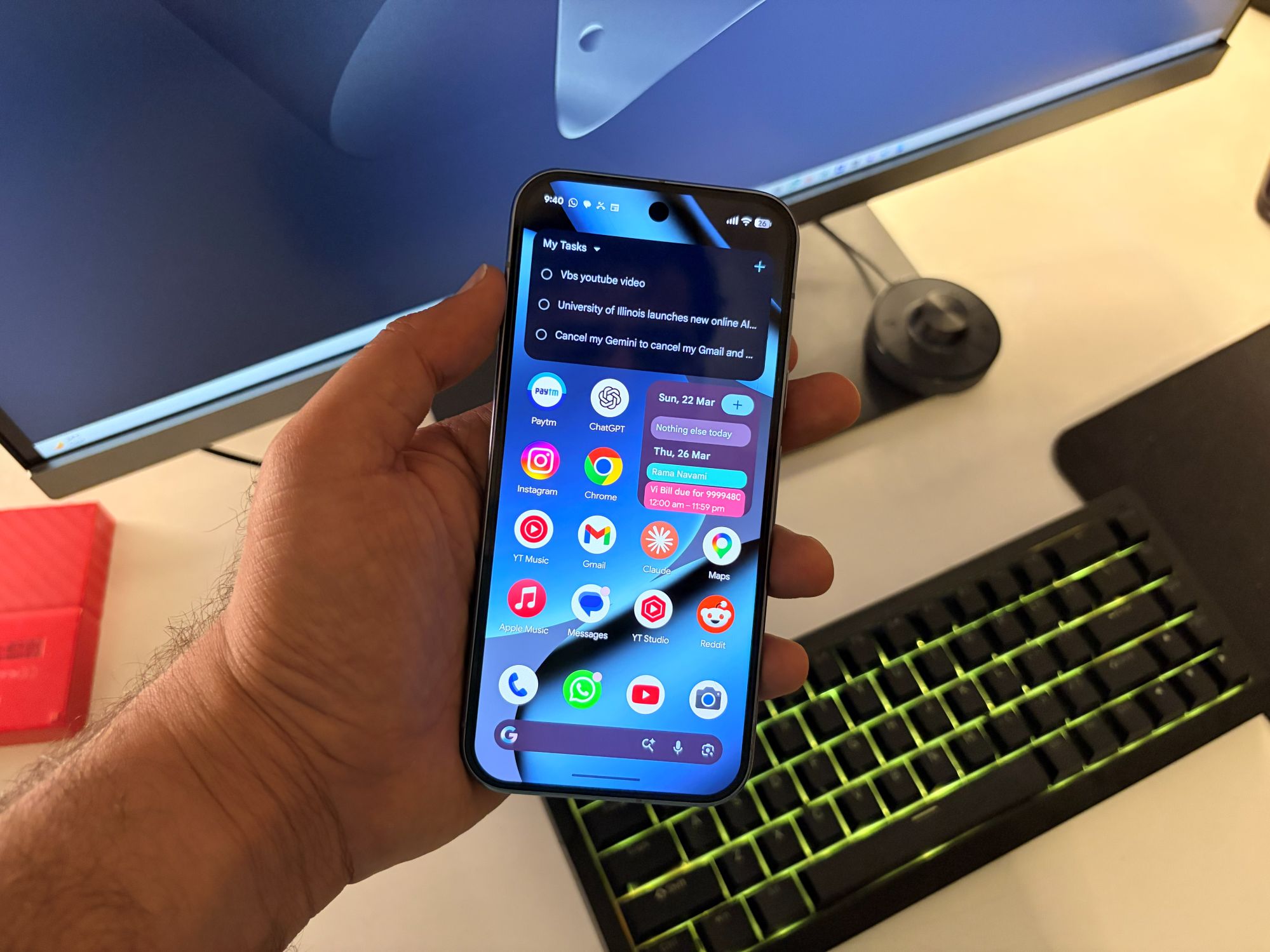
I went into this experiment genuinely wanting the Pixel to win. I have been an iPhone user for years and was completely open to switching if Android had matured enough to close the gap. For the most part it has. But notifications on Android are still intrusive. While the system for managing them is more powerful and flexible than iOS, the defaults are noisier and more disruptive than they should be on a flagship in 2026. I spent time configuring notification settings throughout those three months and still felt like I was fighting the phone rather than the phone working with me.
The overall Android experience on the Pixel 10 Pro is genuinely good. But the accumulated weight of the small things, the ecosystem pull, the notification behaviour, the occasional app instability, and the absence of Face ID’s seamlessness, eventually tipped the scale. None of it was dramatic on its own. All of it was real.
But the iPhone is not without its own head-scratchers. The Action Button, which Apple has positioned as this powerful customisable shortcut key, has been completely useless to me. Six months in, I have not found a single workflow where I genuinely reach for it. I do not use it to toggle modes, I do not use it to launch shortcuts, I just… do not use it. It sits there, full of potential, doing nothing. Apple clearly believes in it enough to keep it on the Pro lineup, and I have seen people swear by it. I am just not one of those people, and I suspect I am not alone.
Final Thoughts: Both Great. One Winner.
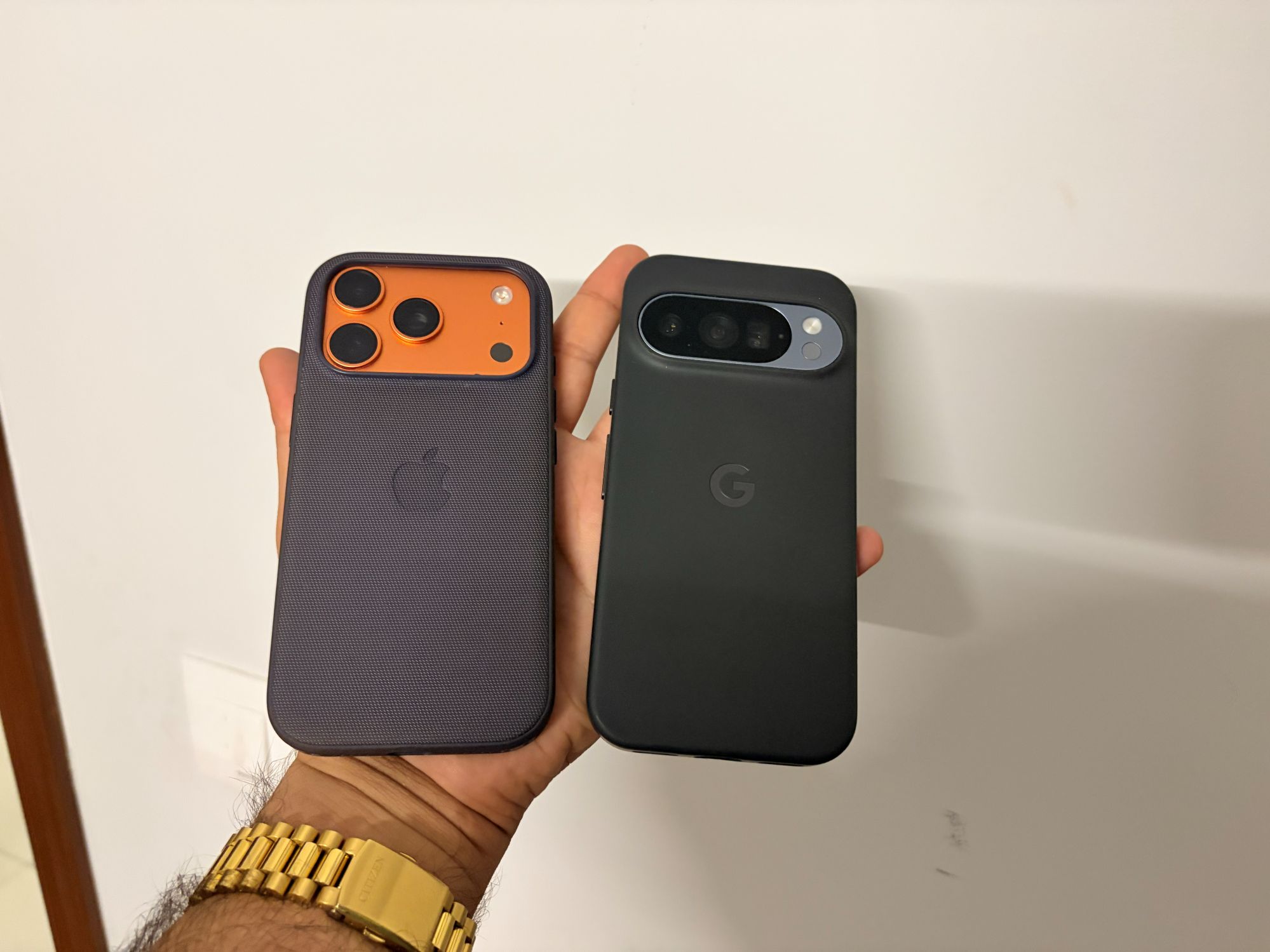
If you are deep in the Apple ecosystem, nothing in this piece will move you, and honestly, that is fair. Ecosystem lock-in is real and the integration advantages are real. But I am the kind of person who will move mountains to find the best device, regardless of what I currently use. That is exactly why I made this switch in the first place, going from six-plus years on iPhone to giving Android a genuine, committed try. It’s not as easy as it sounds. I had to move WhatsApp, a huge challenge, had to re-setup all my banking apps, among other things.
After six months, I’m making the iPhone 17 Pro my primary again. Sigh, it’s going to be a task, but I think I deserve convenience now, after six months of experimentation for service to the public. Wi-Fi reliability, speakers, display in daylight, rear camera consistency, app stability, Face ID, and the Taptic Engine all tip toward it in the categories that show up daily in real life.
But I want to be honest: Saahil the enthusiast is not fully satisfied with either phone. My expectations are insanely high, and if I could build my ideal flagship, it would have the Pixel’s body, its in-hand feel, its durability, and its front camera, paired with iOS, Apple’s app ecosystem, Face ID, and the Taptic Engine. Neither phone gives me everything. The Pixel stays with me as a secondary device because it has genuinely earned that place. But we are not quite at the phone that has it all. Take that however you want to.
Saahil is the founder and Editor-in-Chief of iLLGaming. He also runs The Saahil Technique on YouTube.
Disclosure: Both the iPhone 17 Pro and Google Pixel 10 Pro were provided by the respective brands for testing and review purposes.