There’s a specific kind of CEO that only a company like Apple could produce. Not the MBA type who sits atop a PowerPoint deck and talks about TAM and EBITDA. Not the visionary-performative type who has perfected the Steve Jobs turtleneck cosplay. I mean the guy who’s actually been in the room where it happens. The one who spent twenty-five years getting his hands dirty on the engineering of the products that run the world’s most valuable company.
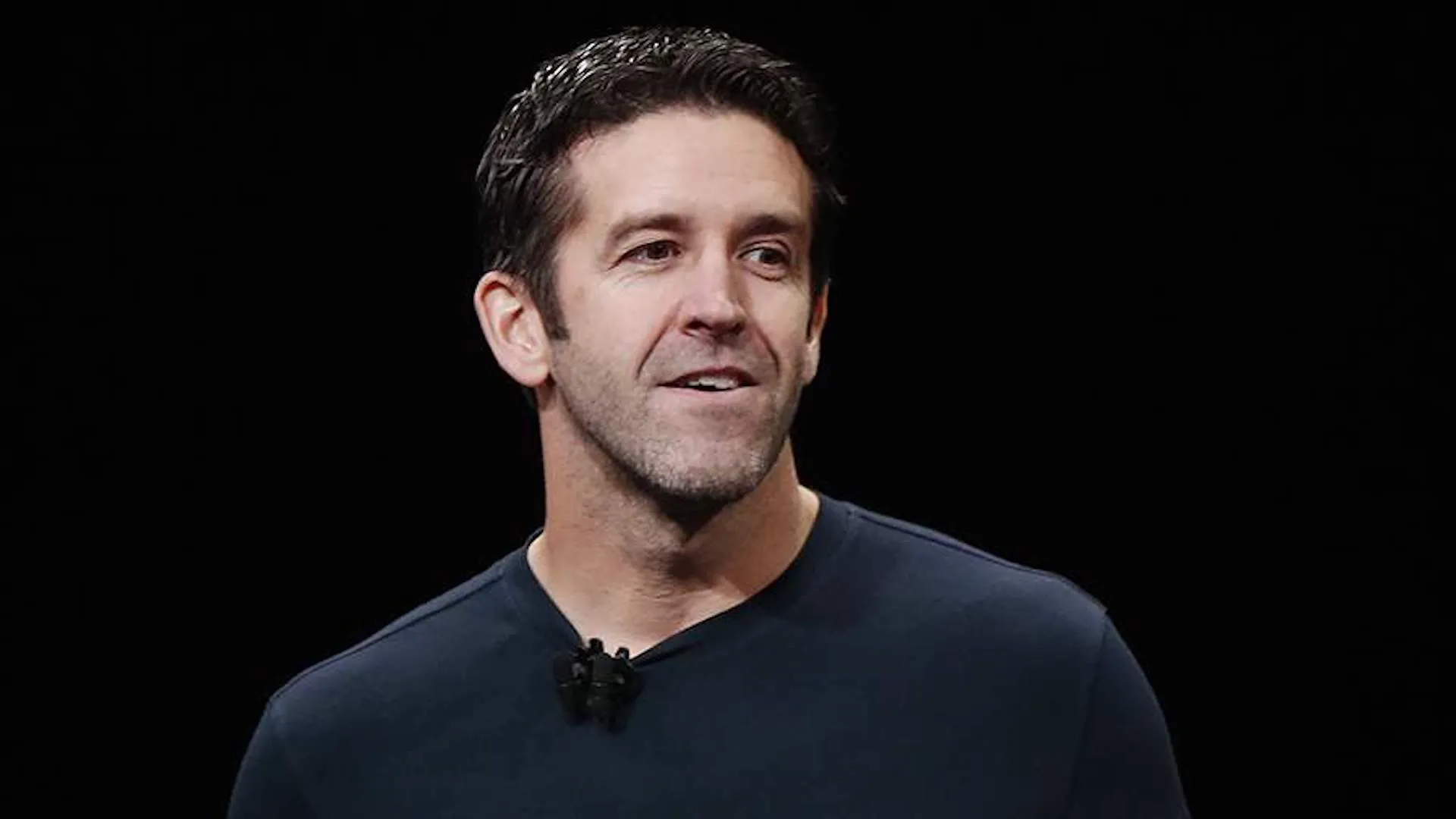
That’s John Ternus. And starting September 1, 2026, he’s Apple’s CEO.
But before we talk about where Apple is going, we need to talk about where it’s been. Because Tim Cook doesn’t get nearly enough credit.
Tim Cook Built a Different Kind of Empire
When Steve Jobs passed in October 2011, a lot of people were convinced Apple was done. The thinking was simple: Apple was Steve Jobs. Without him, it would drift back into the irrelevance it had wallowed in through the ’90s. What happened instead was one of the most remarkable sustained runs in corporate history.
Tim Cook didn’t build Apple’s empire by being a product visionary. He built it by being the best operational mind in the technology industry, possibly ever. His superpower was the supply chain, and it’s worth pausing on just how staggering that actually is.
(from $350B in 2011)
The iPhone became the most profitable consumer electronics product in history. And AirPods, a product launched in 2016 that many people initially mocked, grew into a business that on its own would comfortably rank as one of the largest tech companies in the world. Think about that for a second. AirPods as a standalone business would be bigger than most of what you’d recognise as “big tech.” That doesn’t happen without a supply chain operation running at an almost inhuman level of precision.
But Cook’s real test wasn’t scaling a product people already loved. It was navigating the most consequential geopolitical chess game in the history of consumer electronics. Apple had built its entire manufacturing ecosystem in China, an arrangement that worked brilliantly until it suddenly didn’t. The US-China trade war, the COVID-19 pandemic, and relentless political pressure to diversify all landed at once. Cook didn’t panic. He executed. Apple now assembles roughly 25% of global iPhones in India, producing around 55 million units in 2025 alone, a 53% jump year-on-year. More than half of iPhones sold in the United States are now assembled in India. That is an extraordinary logistical achievement pulled off quietly, without drama, while Apple’s revenue kept climbing.
I’ve written about being deep inside the Apple ecosystem myself, and a big part of why it works so seamlessly is that Cook spent fifteen years making sure the machine behind these products never missed a beat. The products got to shine precisely because the foundation holding them up was unshakeable.
Tim Cook leaves Apple in the best operational shape it has ever been in. That is his legacy.
John Ternus Is Not Tim Cook. And That Is the Whole Point.
When Apple announced the succession in April 2026, the framing was polished and careful, as Apple announcements always are. But the choice itself is anything but careful. It’s a deliberate pivot in the kind of leader Apple wants for its next chapter.
Ternus, 50, is a mechanical engineer by training. He graduated from the University of Pennsylvania in 1997, where he was also a competitive swimmer. His senior project was a mechanical feeding arm for individuals with quadriplegia, which tells you something about how he thinks about technology. Not as an end in itself, but as something built to serve real people in tangible ways.
That’s not someone performing humility for an audience. That’s a person who genuinely understands that good engineering is a team sport. And that disposition, curious, collaborative, grounded in craft, is exactly what Apple needs right now.
What His Track Record Tells You About What’s Coming
The most revealing window into a CEO’s priorities is what they actually built before they got the title. In Ternus’s case, the evidence is everywhere.
Apple Silicon. The Mac’s transition away from Intel was one of the most ambitious platform shifts in computing history. It could have been a disaster, with developers abandoning the platform, performance regressions everywhere, and a multi-year compatibility nightmare. Instead, it became a triumph. We’ve been tracking what the M-series chips can actually do since the M1 Pro days, and the trajectory has been relentless. The M5’s GPU uplift in particular is unlike anything Apple has delivered in a single generation before. Ternus led the hardware side of that entire arc. If you own an M5 Mac and want to know what it’s actually capable of, this is a good place to start.
AirPods. Under his watch, AirPods evolved from wireless earbuds people made fun of into the world’s most successful audio product. Then Apple pushed them further into genuine hearing health devices, earning over-the-counter hearing aid certification from the FDA. That product decision, taking a consumer gadget into medical territory, required someone who thinks about technology as something that should do real things for real people.
iPadOS. This one doesn’t get talked about enough. According to Bloomberg, Ternus personally recognised that the iPad’s hardware potential was being strangled by sharing an OS with the iPhone. He lobbied Craig Federighi, Apple’s software chief, to build a dedicated operating system for the tablet. A hardware executive convincing a software executive to create an entirely new platform is not a small thing. It only happens when someone has deep credibility and genuine conviction.
The iPhone Air. Most reviewers completely missed what the iPhone Air was actually about. They compared it to the Pro Max on specs and called it a compromise. What it actually represented was a clear design thesis: restraint as luxury. At 5.6mm, it became Apple’s thinnest phone ever, using Grade 5 titanium throughout the frame and a clever “plateau” internal design that clusters hardware components toward the top to minimise flex. That level of obsessive engineering isn’t driven by marketing briefs. It’s driven by someone who actually cares about the object itself.
That’s not a soundbite. That’s a worldview.
The Steve Jobs Parallel Nobody Is Forcing. It Just Exists.
I want to be careful here, because the Jobs comparison gets trotted out every time anyone in tech shows any product instinct whatsoever, and it’s almost always lazy. But in Ternus’s case, there are genuine structural parallels worth sitting with.
The Challenges He Walks Into
None of this means the road ahead is easy. The single biggest knock on Ternus, and it’s a fair one, is that he hasn’t personally shepherded a new product category to market. He’s been an exceptional steward of existing product lines. His critics argue Apple needs someone who can find the next iPhone, not just refine the current one.
The AI question is also real and unresolved. Apple has lagged visibly. Siri’s much-publicised upgrade was delayed, and the company ended up integrating Google’s Gemini model into the revamped assistant. Ternus will need to credibly lead Apple’s AI narrative at a moment when that story still has significant gaps.
“AI is already happening in different places, like live translation on AirPods. We’re taking the technology and leveraging it into really meaningful experiences, and that’s how we think about approaching it. I think Apple Intelligence is going to continue to grow, and it’ll just make things you do better and easier. It’s a marathon, not a sprint.”
Not the most exciting quote. But it might be the right posture for a company that built its reputation on shipping technology that actually works rather than technology that generates hype.
Where This Goes
I’m genuinely excited about this transition in a way I haven’t been about a CEO announcement in a long time. Not because Ternus is a guaranteed home run, nobody can know that, but because the type of leader he represents is what this specific moment in Apple’s history actually needs.
Tim Cook gave Apple operational immortality. He made sure the machine never breaks down. But machines still need someone to decide where to drive them.
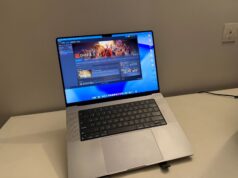
Ternus thinks deeply about what products are for. He’s spent 25 years at a company where that question matters more than anywhere else in the world. We tested the M1 Pro MacBook against the RTX 5060 laptop running Cyberpunk 2077 and the conclusion wasn’t really about benchmarks. It was about the kind of device the Mac has become. Steam going native on Apple Silicon was a quiet milestone that Ternus’s hardware foundation made possible. Our six-month iPhone 17 Pro and Pixel 10 Pro comparison kept pointing back, repeatedly, to how deeply integrated Apple’s hardware and software have become under his watch.
The platform he’s built is capable of things it wasn’t capable of five years ago. The question is whether he can now also be the person who decides what to build next, and not just how to build what exists better.
Apple’s next chapter starts September 1st. If the last 25 years of Ternus’s work is any indicator, it’s going to be a very interesting ride.