
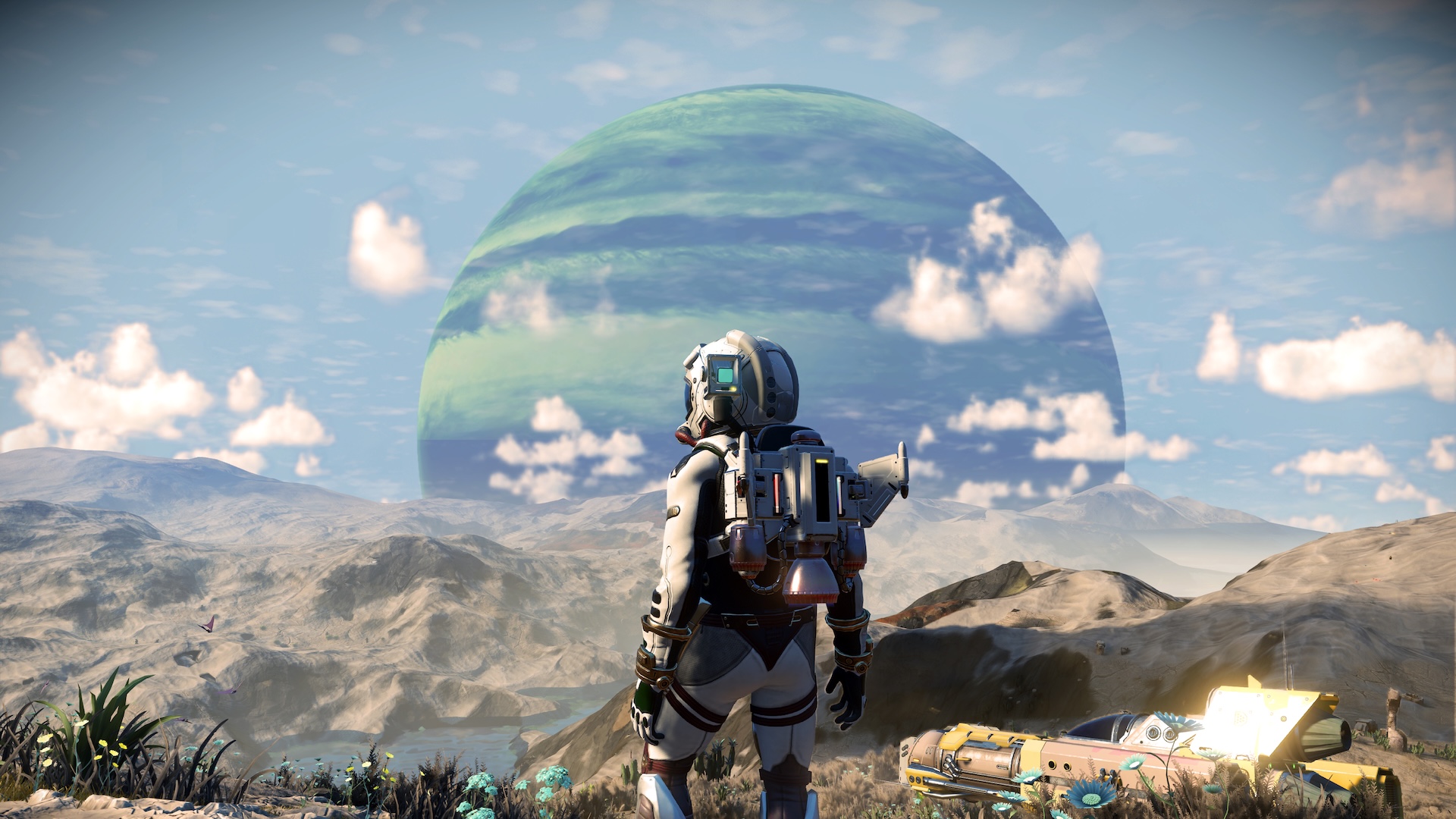
It seems that contemporary tech culture has forgotten about Apple’s promise at WWDC 2022. Well, I haven’t, as that particular showcase of the Metal 3 API and MetalFX, communicated through No Man’s Sky, a truly iconic PC and console game, was pivotal in solidifying my perception of where Apple is going to take gaming on iOS.
It seemed all in vain though, as we still didn’t have the iOS version of No Man’s Sky, although not in the same magnitude as the game’s glorious failure at its original PC and console launch in 2016. The game’s disastrous release triggered massive online outrage due to it missing half its features that were hyped (read: overpromised) by Sony themselves during press events. Steam had to issue refunds on a large scale because the game was simply too broken to function. Kind of how Cyberpunk’s original launch was, but No Man’s Sky was much worse, really.
Developer Hello Games, however, turned the situation around in the most spectacular fashion, and delivered a crash course on silence, patience, and integrity. Facing immense backlash during the game’s launch, they turned off all means of communication, and coded, and coded, and coded. Over a period of 40+ massive, free updates, Worlds Part I being the latest, which overhauled water and wind physics, and COSMOS, which added space station ownership, No Man’s Sky is now the undisputed gold standard for post-launch recovery.
No Man’s Sky Will Push Apple Silicon To Their Limits
As a benchmarker, No Man’s Sky’s technical marvel is astounding. Most, if not all, open-world games load a pre-rendered static map off a storage drive, which is also the reason why most games today take up huge storage space. No Man’s Sky uses Procedural Generation instead. What that means is, it uses mathematical algorithms to generate terrain, weather, and physics on the fly. And that is exactly why its port to iOS is a pivotal moment for iPhones and iPads. Because the game will put their SoCs to a real stress test, as all the processing is done locally, not on the cloud. No wonder the game’s download size is just 3.83GB, which is staggeringly low for an open-world AAA title. And honestly, to me, a mind-blowing feat that will most probably go unappreciated or worse, unnoticed.
Most, if not all, open-world games load a pre-rendered static map off a storage drive, which is also the reason why most games today take up huge storage space. No Man’s Sky uses Procedural Generation instead.
Where every developer will just load pre-rendered maps into your SSD, Hello Games understands the value of storage on your phone, and coded a game from the ground up so that it is rendered optimally, while saving storage space, which is even more valuable in today’s AI datacenter chip shortage context.
Running a game with such architecture brings structural changes in the way the device rendering it behaves. It will keep the processor on its toes non-stop, clocking their highest frequencies and throttling just to stay alive. The memory bandwidth and lanes will be choked to their limits. How else would you instantly calculate and render millions of voxels? There is no other way. And that is exactly why No Man’s Sky on iOS will be my de facto Apple Silicon benchmarking tool. To me, No Man’s Sky is more than just a game. It is an engineering marvel, and I say that as a computing enthusiast, I live for stuff like this. And for just this one time, I’d like to see something that in theory has the ability to bring Apple Silicon down to its knees.
And for just this one time, I’d like to see something that in theory has the ability to bring Apple Silicon down to its knees.
No Man’s Sky will use Apple’s MetalFX upscaling, a technology similar to Nvidia’s DLSS, AMD’s FSR, and Intel’s XeSS. The game is optimized to run on hardware as old as the iPhone 11. I couldn’t care less about the iPhone 11 though, I’m more interested to see how the game behaves on modern A-series chips when pushed to their absolute limits.
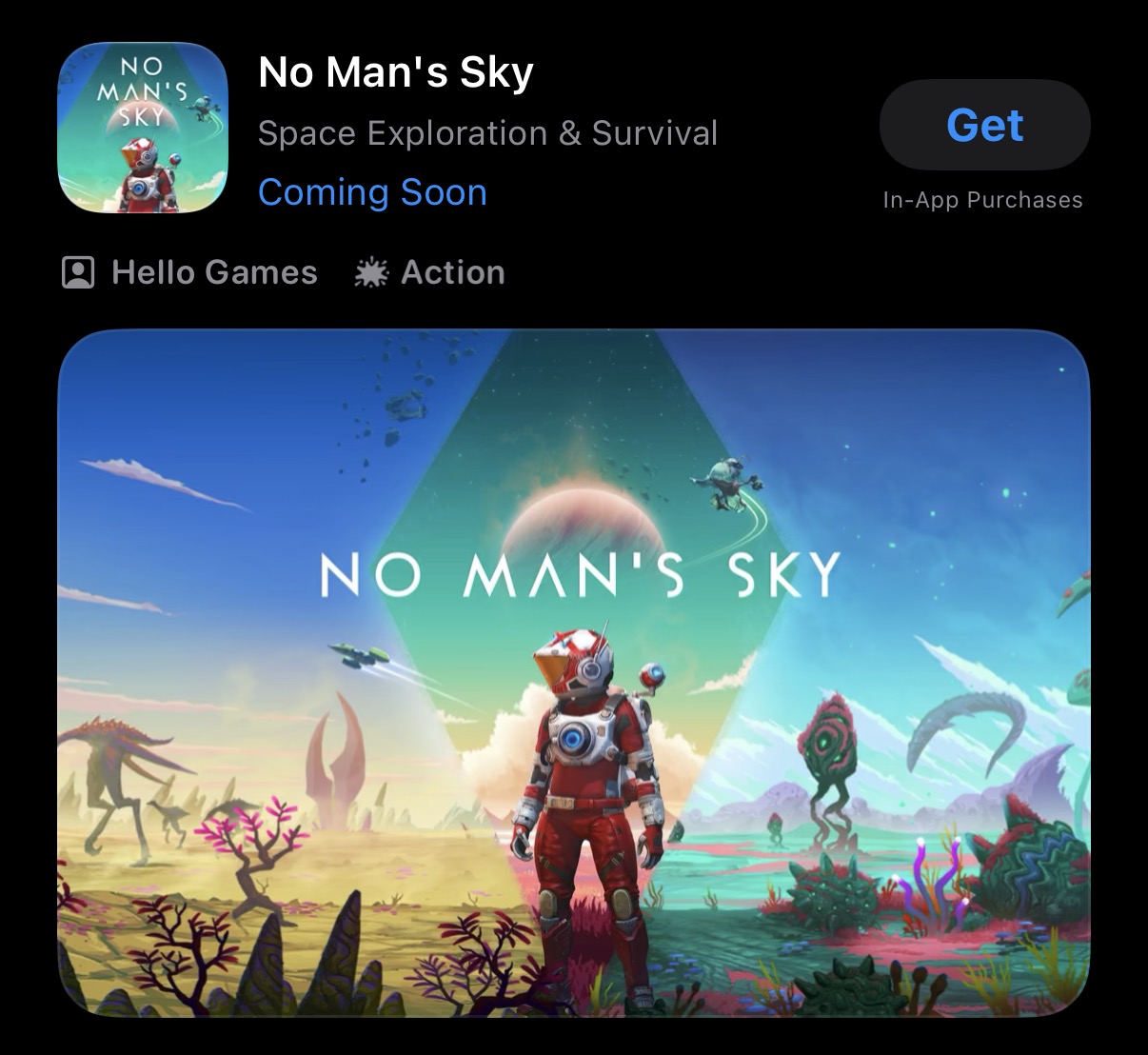
Now for the part where it gets realistic. For a game as technically ambitious as No Man’s Sky, there have to be some compromises. Hello Games had to let go of the game’s multiplayer mode, just so that it could run on mobile. Also, the game’s massive “Planetary Settlements” feature is locked exclusively to the iPhone 15 Pro and newer. This only proves my narrative of how heavy the game engine is. Heavy in its compute, not heavy in its size. Making that distinction is critical for seeing No Man’s Sky for what it is.
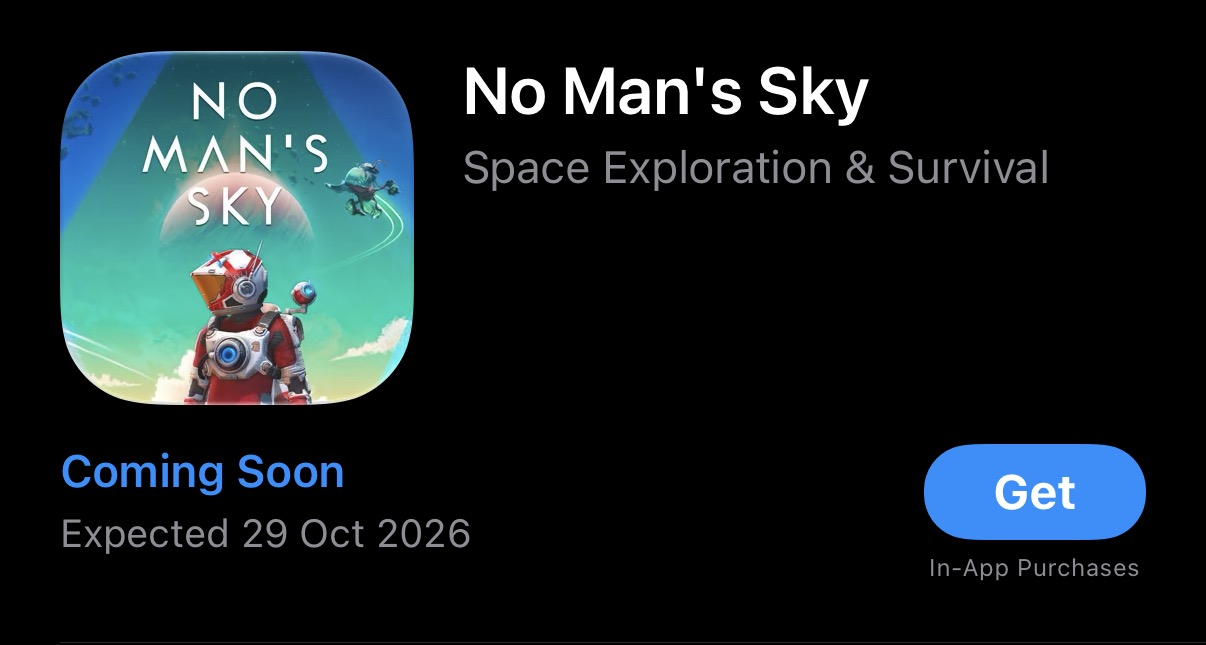
No Man’s Sky releases officially in India on the 29th of October. The game will have a “try it before you buy it” model where the first chapter is free to try, followed by a one-time unlock fee of around ₹1,899 for the full experience. If you’re something more than just a casual console, PC, or mobile gamer, you should not miss this one at any cost. And if you’re lucky, you’ll probably see a benchmark report in the coming weeks on iLLGaming.